Are Baghdad and Erbil Approaching a Historic Settlement on Oil and Gas?

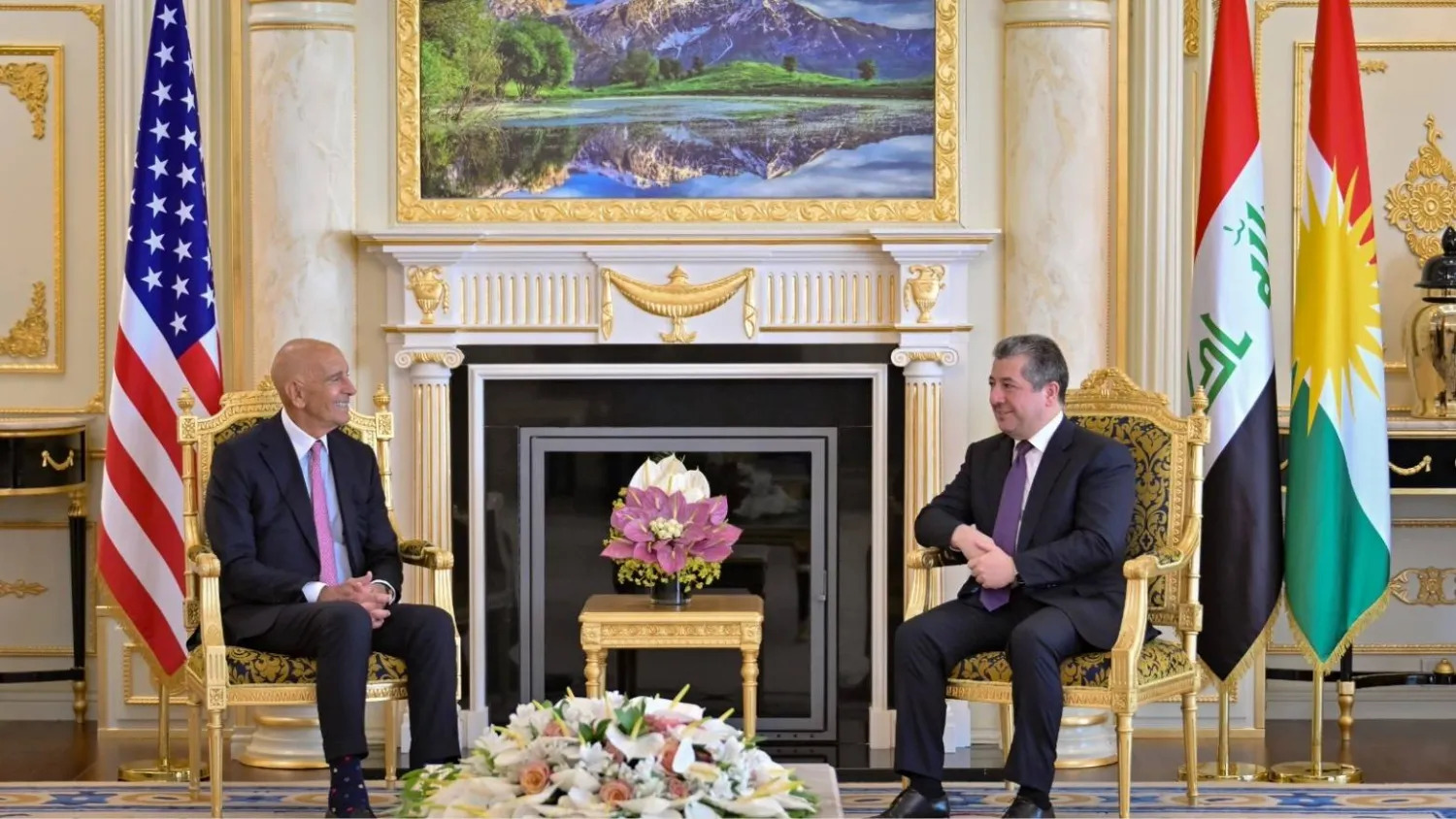
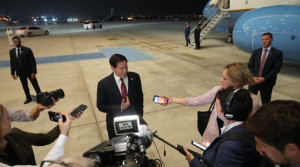
Recent political and diplomatic developments, accompanied by the visit of U.S. envoy Tom Barrack to Erbil, have once again brought the oil and gas file to the forefront of Iraq’s political agenda after years of disputes and political deadlock. While the issue is often portrayed as a purely economic or financial disagreement, its essence lies in a far more complex question: the nature of Iraq’s federal system, the balance of authority between the federal government and the Kurdistan Regional Government (KRG), and the management of one of the country’s most strategic national resources.
Current indicators suggest that Baghdad and Erbil may be closer than ever to reaching a new understanding, driven by mounting economic pressures and a mutual need for political and financial stability. Nevertheless, the path toward a comprehensive settlement remains fraught with constitutional and political challenges that have persisted for more than two decades.
A Law Delayed for More Than Twenty Years
Since the first draft of the Federal Oil and Gas Law was introduced in 2007, successive Iraqi governments have failed to achieve the political consensus necessary for its passage. As a result, Iraq’s energy sector has continued to operate under temporary arrangements and fragile political understandings rather than within a clear and permanent legal framework.
A significant part of the problem stems from conflicting interpretations of constitutional provisions governing the management of natural resources. The federal government argues that oil is a sovereign national asset that should be managed centrally to ensure equitable distribution of revenues among all Iraqis. The Kurdistan Region, however, maintains that the constitution grants it a substantial role in managing and developing oil fields, particularly those discovered or developed after 2005.
Between these competing interpretations, the dispute has remained unresolved, evolving into one of the most sensitive issues in the relationship between Baghdad and Erbil.
Why Is Movement Happening Now?
The current momentum appears less the result of a dramatic shift in political positions than a growing recognition by all parties that the cost of maintaining the dispute has become greater than the cost of compromise.
Iraq faces increasing fiscal pressures that require maximizing the benefits of its energy resources, while the Kurdistan Region continues to experience recurring financial difficulties linked to delayed budget transfers and disruptions in oil exports. Moreover, the ongoing dispute has negatively affected investor confidence and constrained Iraq’s ability to develop its energy sector more effectively.
From this perspective, the emerging dialogue is driven more by shared economic necessity than by political concession.
The American Role: Facilitating Rather Than Imposing
Tom Barrack’s visit reflects growing international interest in the stability of Iraq’s energy sector. The United States views Iraq as a significant player in regional energy markets, and the continued dispute between Baghdad and Erbil has implications for investment conditions and major infrastructure projects.
At the same time, Washington does not appear to be seeking to impose a specific solution. Rather, it is working to narrow differences and encourage both sides to build upon existing understandings. Discussions surrounding strategic projects, including the modernization of export routes and pipeline networks, also give the negotiations a broader regional dimension that extends beyond Iraq’s internal politics.
The Kurdistan Region Between Constitutional Rights and State Requirements
The Kurdish position cannot be understood apart from the political framework that emerged after 2003. Kurdish leaders have consistently viewed federalism as the cornerstone of political partnership within Iraq and argue that the management of natural resources should reflect that principle.
Conversely, many political forces in Baghdad fear that expanding regional authority over oil management could weaken the federal government's role and create disparities in the administration of national wealth.
Yet practical experience has also demonstrated that the Kurdistan Region has been able to attract significant foreign investment and develop important energy infrastructure over the years, making it an essential component of Iraq’s broader energy equation. Consequently, any durable settlement will need to strike a balance between preserving a coherent national energy policy and respecting the constitutional prerogatives of the Region.
Is a Final Settlement Within Reach?
Despite the current atmosphere of optimism, expectations of passing a comprehensive Oil and Gas Law in the near future may still be premature. The political obstacles that have delayed the legislation for nearly two decades remain in place, and its adoption would require consensus not only between Baghdad and Erbil but also among Iraq’s oil-producing provinces, which have their own demands regarding resource management and revenue distribution.
For this reason, the most likely scenario is the gradual expansion and refinement of existing agreements concerning production, exports, and revenue-sharing, rather than the immediate adoption of a comprehensive legislative solution.
Conclusion
Recent developments suggest that the oil and gas issue has entered its most serious phase of negotiations in years. However, the significance of this moment extends beyond increasing oil exports or addressing fiscal challenges. It represents a test of Iraq’s ability to construct a balanced relationship between the federal government and the Kurdistan Region.
A successful settlement would not constitute a victory for Baghdad or Erbil alone. Rather, it would represent an important step toward strengthening constitutional partnership and establishing a framework for managing national resources based on cooperation and shared interests. If the current momentum can be sustained, the oil file may finally evolve from a chronic source of conflict into a model for resolving some of Iraq’s other deeply entrenched political disputes.
Most read