
The confrontation between the United States and Iran is unfolding along a trajectory characterised by a clear duality between signalling a willingness to negotiate and preparing for the possibility of military escalation. This is taking place amid Tehran's insistence on its conditions for ending the war, Washington's continued reinforcement of its military presence in the Middle East, and rising tensions in the Strait of Hormuz.
In this context, Iranian Parliament Speaker Mohammad Bagher Ghalibaf's statements regarding Iran's seven conditions reflect Tehran's attempt to maintain a stronger negotiating position and impose a political and security equation that would prevent the war from ending solely on American terms. His rejection of a continued state of "neither war nor peace," coupled with his warning that Iran would determine the "geography of the battlefield" if hostilities resumed, conveys a message that Tehran intends to retain its military and strategic leverage rather than make concessions under the pressure of American threats.
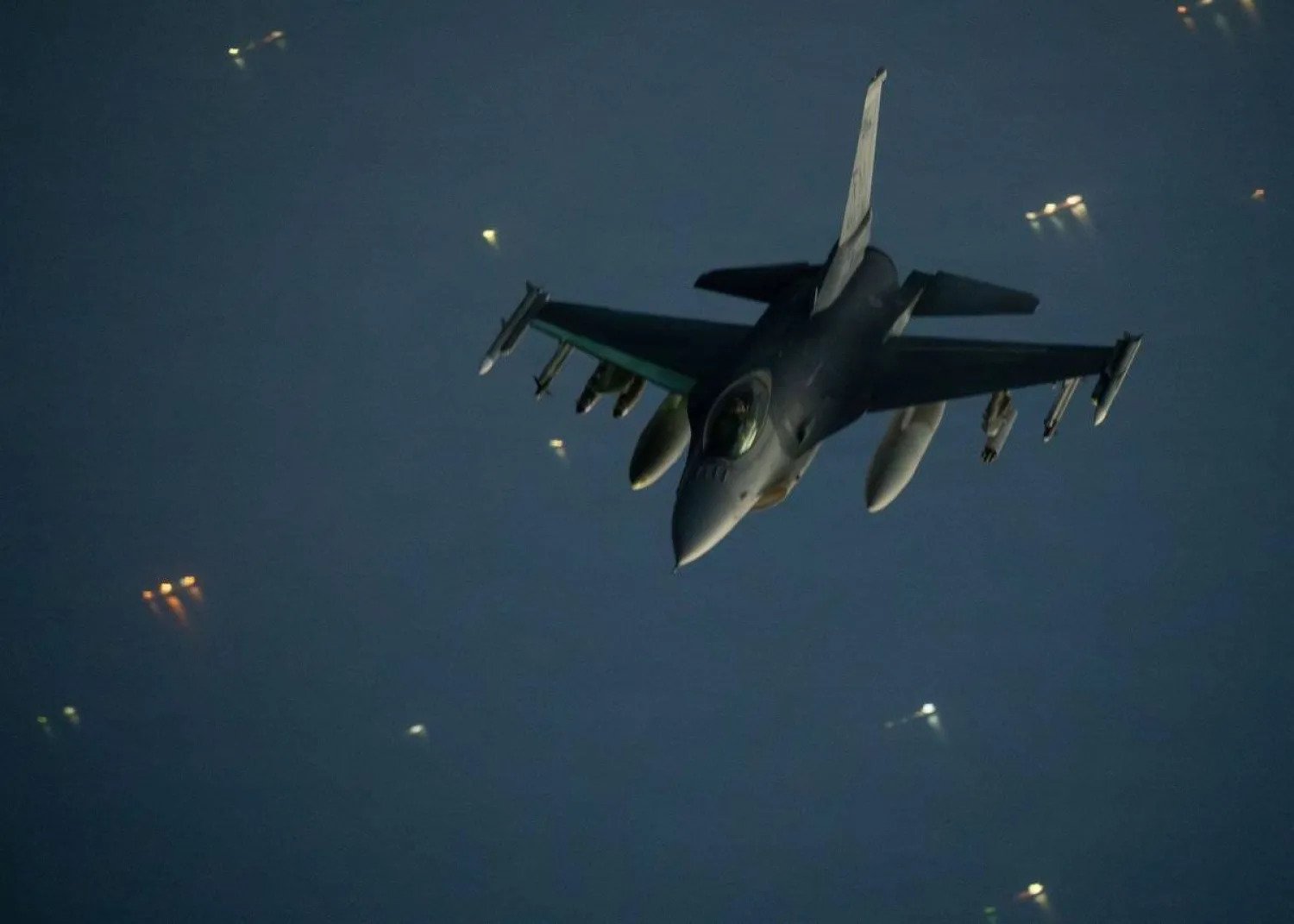
On the other hand, Washington's moves to reinforce its naval deployment, including the possibility of sending a third aircraft carrier to the region, reflect an effort to preserve multiple military options. These include the potential use of naval power to impose a blockade or exert additional pressure on Iran. In this regard, US intelligence assessments, according to circulating reports, appear to favour a blockade over direct military strikes. This may reflect an awareness of the potential costs of direct confrontation and the risk of its escalation into a broader regional conflict.
Reports carried by Israeli media concerning alleged Iranian plans to target US President Donald Trump and other senior American officials add a new security and political dimension to the confrontation. However, these allegations require independent corroboration. Meanwhile, the warning attributed to the White House regarding the transmission of misleading information by the Israeli side highlights the sensitivity of intelligence-sharing between the two allies and the possibility of differences in their assessments of the Iranian threat and the appropriate response.
Taken together, these developments suggest that both sides are seeking to improve their negotiating positions by combining military and political pressure, without entirely abandoning the possibility of a negotiated settlement. Tehran is attempting to convert its ability to threaten maritime navigation through the Strait of Hormuz, along with its remaining deterrence capabilities, into negotiating leverage. Washington, meanwhile, is using its military superiority and economic and security pressure to push Iran towards accepting terms more favourable to American interests.
Accordingly, the current situation does not necessarily indicate that a final agreement is imminent. Rather, it points to a phase of negotiations under pressure, in which military and intelligence calculations intersect with political considerations. The risk of escalation remains significant, particularly if potential diplomatic contacts fail to narrow the gap between the two sides' demands, or if developments in the Strait of Hormuz cause the confrontation to shift from mutual threats to direct military engagement.
Most read




Read also