Washington and Tehran: Military Buildup and Stalled Diplomacy Increase the Risk of Confrontation

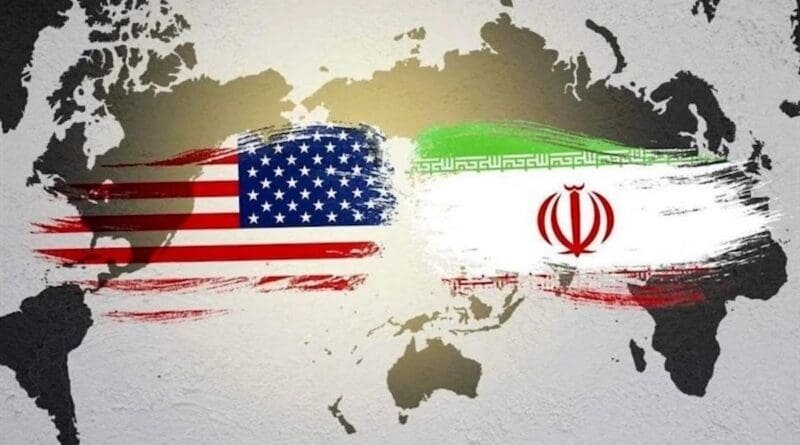
The current situation between the United States and Iran reflects the persistence of strategic tensions, amid stalled negotiations and growing signs of military buildup across the region. The reinforcement of the US naval presence, alongside reports that a third aircraft carrier has joined American forces deployed in the Middle East, suggests that Washington is seeking to expand its military options and strengthen its deterrence and pressure capabilities, while keeping the possibility of military confrontation on the table.
Tehran, meanwhile, is seeking to demonstrate its ability to influence regional maritime security, particularly in the Strait of Hormuz, thereby preserving leverage in the face of American military moves. Reports of drone attacks targeting Bahrain, together with the Islamic Revolutionary Guard Corps’ claim that it shot down a US drone in the strait, point to the widening scope of tensions and the possibility that they could develop into field-level incidents extending beyond direct confrontation between the two sides.
The United Nations’ call for a serious diplomatic process is particularly significant. It reflects international concern over the continuation of a state of “neither war nor peace,” in which both sides maintain military and political pressure without reaching a settlement. Such a situation, however, also increases the risk of miscalculation and an unintended escalation.
In this context, reports that US and Israeli military commanders have prepared plans to resume strikes against Iran, potentially targeting energy facilities and economic infrastructure, indicate that military options remain part of the strategic calculations of both sides. Nevertheless, the reinforcement of military forces does not necessarily mean that a decision to launch an imminent war has been made. It may also serve as a means of increasing pressure on Tehran and improving Washington’s negotiating position.
The region is therefore facing a complex equation in which diplomacy and military deterrence are closely intertwined. Washington is seeking to use its military superiority to intensify pressure on Iran, while Tehran is relying on its geographical position and asymmetric capabilities to raise the potential cost of any confrontation. The prospects for containing escalation will ultimately depend on the two sides’ ability to revive negotiations and avoid military incidents that could transform the current tensions into a broader regional conflict.
Most read




Read also