China and Iran Amid Regional Escalation: Diplomacy of Containment or Strategic Realignment?

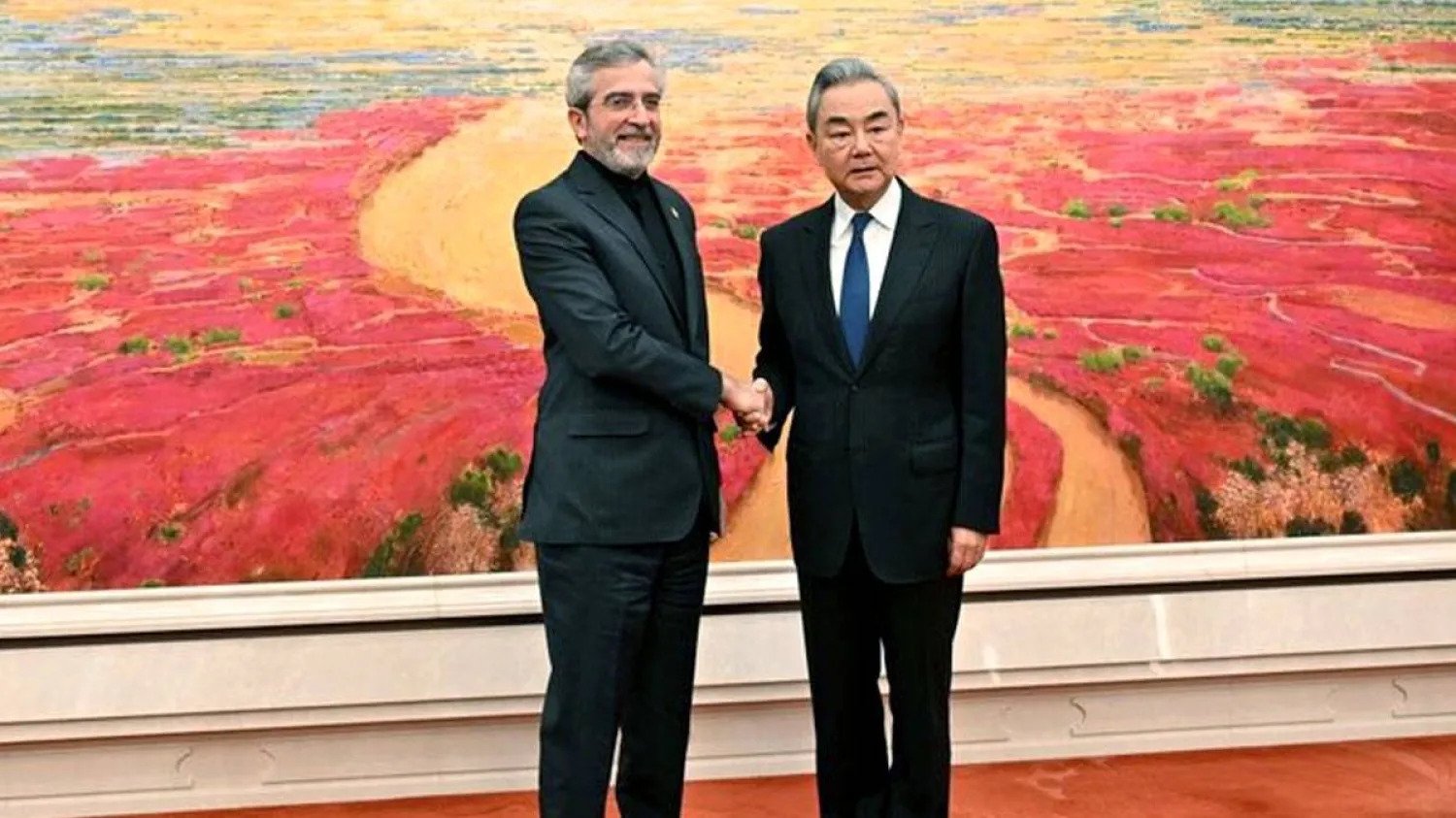
China’s recent diplomatic engagement with Iran reflects Beijing’s efforts to strengthen its political presence in one of the world’s most volatile regions, amid escalating regional tensions and growing risks of a wider conflict. The meeting between China’s Special Envoy to the Middle East, Zhai Jun, and Ali Bagheri Kani, Deputy Secretary of Iran’s Supreme National Security Council, should therefore be understood as more than routine bilateral diplomatic engagement. It forms part of a broader effort by Beijing to consolidate its position as an international actor advocating negotiated solutions to conflicts while simultaneously safeguarding its strategic and economic interests in the region.
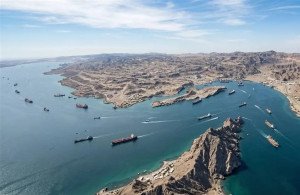
Chinese Foreign Minister Wang Yi’s statements, emphasizing that dialogue and negotiations remain the only viable path toward resolving the crisis, reflect Beijing’s awareness of the dangers posed by continued military confrontation, particularly its implications for energy security, international trade, and maritime transportation routes. As one of the world’s largest energy importers, China has a direct interest in containing any escalation that threatens the stability of the Gulf and the Strait of Hormuz or causes prolonged disruption to oil and gas supplies.
From this perspective, China’s calls for de-escalation cannot be separated from its broader economic and geopolitical calculations. A prolonged conflict could impose additional costs on Beijing by threatening energy supplies, destabilizing markets, and jeopardizing its investments and extensive commercial networks across the Middle East. Its appeal for all parties to abandon military confrontation and return to negotiations is therefore an attempt to prevent the conflict from evolving into an open-ended regional crisis with consequences that could prove increasingly difficult to contain.
At the same time, Wang Yi’s reaffirmation of China’s support for Iran in safeguarding its sovereignty and security carries political significance beyond conventional diplomatic rhetoric. It reflects Beijing’s determination not to leave Tehran facing international pressure without political backing, while also sending a message that China opposes the use of force as a means of reshaping regional balances of power.
However, this position does not necessarily indicate that Beijing is prepared to become directly involved in the confrontation or provide Iran with security guarantees. Rather, it reflects China's desire to preserve its strategic partnership with Tehran within limits that do not jeopardize its broader interests.
This highlights one of the central dilemmas of Chinese policy in the Middle East: how can Beijing maintain its strategic relationship with Iran while avoiding damage to its economic and political ties with the Gulf states and other regional actors?
China views the region not merely through the lens of political alliances, but as a vital arena for energy security, trade, investment, and its Belt and Road Initiative. Consequently, adopting an entirely partisan position in the conflict could undermine its ability to act as a credible mediator acceptable to the other parties.
Beijing’s repeated calls for a political settlement, alongside references to the initiatives proposed by President Xi Jinping to ease regional tensions, also reflect its ambition to promote a different model of international crisis management, one based on dialogue, respect for sovereignty, and opposition to military intervention.
This approach carries additional significance amid growing US-China competition for global influence. Beijing is seeking to use regional crises to reinforce its image as a global power committed to stability and political solutions, in contrast to what it portrays as Washington’s reliance on military instruments and unilateral pressure.
Nevertheless, China’s ability to translate this diplomatic rhetoric into tangible political influence remains dependent on the willingness of the parties involved to respond to its initiatives and on Beijing’s ability to exert sufficient pressure to influence the calculations of both Tehran and Washington.
Calls for dialogue, however important, cannot by themselves resolve conflicts unless they are accompanied by clear negotiating mechanisms and reciprocal guarantees addressing the security and political concerns of the parties concerned.
Ultimately, China’s diplomatic engagement with Iran reflects an attempt to strike a delicate balance between supporting a strategic partner and preserving regional stability, while expanding its diplomatic influence without becoming directly entangled in Middle Eastern conflicts.
Beijing is not necessarily seeking to replace the United States as the principal power managing the region. Rather, it is working to expand its political leverage and present itself as an international actor capable of contributing to crisis containment.
The real test of Chinese diplomacy, however, lies in its ability to move beyond calls for de-escalation and exert tangible influence over the course of the conflict, demonstrating that its presence in the Middle East can extend beyond economic interests to become a meaningful political force in shaping the region’s future arrangements.
Most read




Read also