Rising Tensions in the Strait of Hormuz Amid Intensified Diplomatic Efforts Toward a U.S.-Iran Agreement

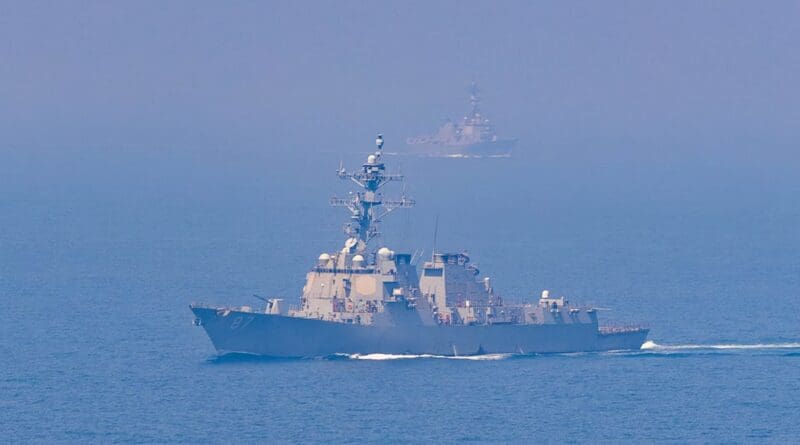
The Strait of Hormuz is witnessing rapidly evolving developments as diplomatic efforts intensify to secure a potential agreement between the United States and Iran. These negotiations are unfolding against a backdrop of heightened security concerns in one of the world's most strategically important maritime chokepoints.
Iran’s Mehr News Agency reported hearing explosions near the Iranian islands of Sirik and Qeshm, both located close to the Strait of Hormuz. According to reports cited by Reuters, the blasts were believed to be linked to maritime confrontations within the strait, while no explosions were reported on land.
The developments coincide with notable remarks by Iranian Foreign Minister Abbas Araghchi regarding the future management of the Strait of Hormuz. Araghchi stated that the administration of the vital waterway “will no longer be the same as it was in the past,” adding that services provided in the strait “will no longer be free of charge.”
He emphasized that the Strait of Hormuz falls under what he described as the “joint sovereignty” of Iran and the Sultanate of Oman, noting that both countries have worked for many years to ensure maritime security, regulate shipping routes, protect the marine environment, and provide search-and-rescue services.
Araghchi further revealed that Tehran has conducted extensive consultations with Muscat as its principal partner in managing the strait. According to the Iranian minister, these discussions have yielded positive results, with joint programs and policy announcements expected in the near future. He also confirmed that a series of technical meetings had been held with regional countries and other international stakeholders concerned with maritime security.
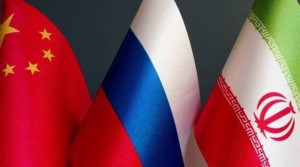
Highlighting the global economic significance of the waterway, Araghchi noted that approximately 40 percent of the vessels transiting through the Strait of Hormuz are linked to China. As a result, Tehran has initiated dedicated consultations with Beijing due to the strategic importance of Chinese commercial interests in the area.
The Iranian foreign minister also stressed that Iran’s military presence in the Strait of Hormuz will remain permanent, describing the country’s armed forces as a “guarantee of regional security.” He affirmed that Iran’s defense capabilities would continue to play a central role in safeguarding navigation through the strait.
Meanwhile, Bloomberg reported that the United States and its allies are preparing plans to restore commercial shipping traffic through the Strait of Hormuz to normal levels within approximately one month of any future agreement between Washington and Tehran.
According to a diplomat familiar with the discussions, the effort could face significant technical and security challenges, particularly due to concerns that naval mines may have been deployed in parts of the strait. The diplomat added that both the United Kingdom and France are preparing to participate in potential mine-clearing operations aimed at ensuring the safe passage of international shipping.
In the same context, Bloomberg cited a source familiar with the negotiations as saying that Israel considers the removal of highly enriched uranium from Iran a minimum requirement for supporting any agreement designed to end the current crisis. The issue remains one of Israel’s primary security concerns regarding Iran’s nuclear program.
On the diplomatic front, Bloomberg also reported that the U.S. administration has significantly intensified its political and diplomatic engagement over the past 24 hours in an effort to push negotiations toward a decisive breakthrough.
A senior U.S. official described the current round of negotiations as fundamentally different from previous attempts, characterizing Washington’s efforts as a “comprehensive diplomatic operation” involving several of the administration’s most senior officials.
According to the official, the diplomatic initiative has included the participation of Secretary of State Marco Rubio, Secretary of Defense Pete Hegseth, as well as senior White House advisers, reflecting the importance attached to reaching a final understanding with Tehran.
Despite the growing optimism surrounding the talks, the official cautioned that hardline factions within Iran continue to oppose any rapprochement with the United States and may seek to obstruct the negotiating process. Nevertheless, he estimated the likelihood of a near-term agreement at between 80 and 85 percent, signaling a notable degree of confidence within Washington’s policymaking circles.
These developments underscore the close linkage between the security and diplomatic dimensions of the Gulf crisis. Military calculations surrounding the security of the Strait of Hormuz are increasingly intertwined with negotiations over Iran’s nuclear program and the future of U.S.-Iran relations. While signs point toward the possibility of an initial understanding between the two sides, unresolved disputes and persistent security concerns remain capable of influencing the trajectory of any potential agreement in the weeks ahead.
Most read



Read also