A Pause Without Peace: Why The U.S.-Iran Ceasefire Failed

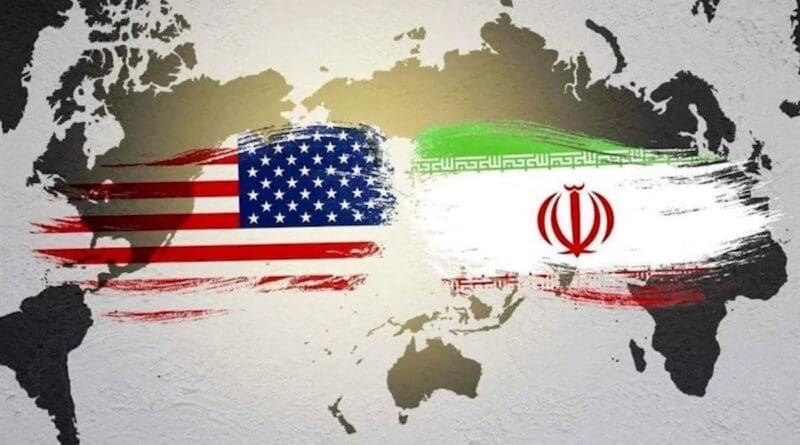
When the United States and Iran agreed to a ceasefire after weeks of military confrontation, many viewed it as a rare opportunity to prevent the conflict from spiralling into a wider regional war. The agreement temporarily halted direct military exchanges and raised hopes that diplomacy might succeed where coercion had failed. Yet within days, the ceasefire began to unravel. Renewed attacks on commercial shipping in the Strait of Hormuz prompted fresh U.S. strikes on Iranian military infrastructure, while Iran expanded its retaliation against U.S. military facilities in the Gulf. Since then, both sides have continued military exchanges while negotiations struggle to regain momentum. What initially appeared to be a diplomatic breakthrough quickly became another stage in the conflict’s escalation.
Much of the debate has focused on which side violated the ceasefire first. Yet the more important question is why the agreement failed so quickly. Its failure reflects a deeper strategic problem rather than a single triggering incident. The ceasefire suspended military operations but left the political incentives for escalation intact. Both Washington and Tehran continue to believe that additional coercion will produce the concessions earlier rounds of pressure failed to secure. The ceasefire interrupted the fighting without altering the strategic logic that sustains the conflict.
Robert Pape’s concept of the escalation trap provides a useful framework for understanding this dynamic. In essence, the escalation trap emerges when unsuccessful coercion encourages belligerents to intensify military pressure instead of reconsidering the political assumptions behind their strategy. Each failure becomes an argument for more force rather than a reason to negotiate. The U.S.-Iran ceasefire illustrates this dynamic with unusual clarity. Rather than breaking the cycle of coercion, the agreement merely paused it, leaving both sides convinced that another round of pressure would succeed where the last had failed.
The Ceasefire Without a Settlement
The ceasefire succeeded in stopping active combat, but it failed to produce a shared political understanding of what peace would require. Both Washington and Tehran viewed the agreement not as the beginning of a negotiated settlement but as a temporary pause from which they could preserve or improve their bargaining positions.
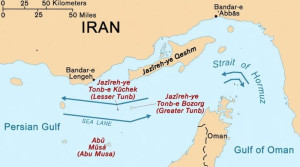
The clearest example was the Strait of Hormuz. For Iran, the waterway remains its most valuable source of leverage against a conventionally superior opponent. While Tehran cannot match American military power, it can threaten global energy markets and commercial shipping. For Washington, freedom of navigation remains central to its regional strategy, making Iranian influence over Hormuz unacceptable. The ceasefire therefore rested on incompatible assumptions: Washington expected unrestricted maritime access, while Tehran regarded continued leverage over the Strait as essential until broader political and economic concessions were secured.
These competing interpretations became increasingly apparent as implementation began. Disagreements emerged over sanctions relief, access to frozen Iranian assets and the reopening of shipping routes. Washington subsequently tightened restrictions on Iranian oil exports, arguing that Tehran’s actions around Hormuz were inconsistent with the agreement. Iranian officials argued that the United States had failed to deliver meaningful economic relief before expecting full Iranian compliance. When commercial shipping again came under attack in the Strait, both governments interpreted the incident as confirmation that the other side had violated the spirit of the ceasefire.
The agreement therefore reduced violence without resolving the political disputes that had produced it. Because both sides continue to interpret compliance through the lens of their own strategic objectives, every military movement, maritime incident and economic measure becomes a potential source of renewed escalation.
From Coercive Failure to Renewed Escalation
Pape’s escalation trap helps explain why the ceasefire failed despite both sides continuing to express support for diplomacy.
The original American military campaign was built on the assumption that overwhelming military pressure would force Iran to modify its behaviour. Air strikes degraded military infrastructure, eliminated senior commanders and imposed significant economic costs. Yet these military successes failed to produce the desired political outcome. Iran neither abandoned its strategic objectives nor accepted American terms. Instead, it adapted by relying more heavily on asymmetric retaliation through maritime disruption, drones and pressure on regional partners.
Pape distinguishes between military and political effectiveness. Military force can destroy infrastructure and impose heavy costs without compelling political concessions. When this happens, leaders often conclude that the problem is insufficient pressure rather than a flawed strategy, encouraging another round of coercion instead of compromise.
That dynamic continues today. Following attacks on commercial shipping in the Strait of Hormuz, Washington has steadily expanded its military campaign beyond immediate tactical objectives. American strikes increasingly target Iranian military infrastructure, while economic pressure intensifies through renewed restrictions on Iranian oil exports. Tehran, in turn, has widened the conflict geographically, targeting U.S. military facilities across the Gulf while continuing to threaten maritime traffic through Hormuz. Each side continues to view renewed coercion not as an obstacle to diplomacy but as the means of strengthening its bargaining position before negotiations can resume.
Neither side necessarily seeks an unlimited war. Instead, each concludes that restraint would weaken its strategic position. For Washington, failing to respond decisively risks undermining deterrence and signalling tolerance for attacks on international shipping. For Tehran, accepting renewed military strikes without retaliation would suggest that American coercion had successfully stripped Iran of its strongest bargaining tool.
This is precisely the mechanism described by Pape’s escalation trap. Escalation occurs not because leaders seek a wider conflict, but because they increasingly perceive the alternatives as politically or strategically worse. Each round of coercion strengthens the argument for another while simultaneously reducing confidence that diplomacy alone can secure acceptable outcomes.
Ironically, the ceasefire itself accelerated this process. Because neither side regarded the agreement as a political settlement, both continued preparing for the possibility that negotiations would fail. The result was a ceasefire that reduced violence without reducing distrust.
Why Diplomacy Could Not Catch Up
Successful ceasefires normally establish credible mechanisms for verification, sequencing and dispute resolution. They provide each side with confidence that restraint will be reciprocated. The U.S.-Iran agreement offered few such guarantees. Many of the conflict’s central disputes remained unresolved, while indirect negotiations continued alongside military preparations and economic pressure.
Mediation led by Qatar and other regional intermediaries continues even as military operations persist, illustrating that diplomacy and coercion have become parallel rather than sequential processes. Every new strike alters bargaining positions before previous understandings can be consolidated, making negotiations increasingly difficult and reinforcing mutual distrust.
Domestic political pressures continue to constrain both governments. The American administration justified military action on the basis that sustained pressure would compel Iran to alter its behaviour. Accepting major concessions now would therefore undermine the logic of the campaign itself. Iranian leaders faced similar constraints. After suffering extensive military damage, they also needed to demonstrate that Iran remains capable of imposing meaningful costs on its adversaries. Under these conditions, compromise remains politically expensive, while retaliation appears strategically necessary.
The ceasefire therefore failed to create a genuine exit from the conflict because it did not alter the strategic calculations driving escalation. Instead, diplomacy has become increasingly subordinate to the search for military leverage.
Conclusion
The failure of the U.S.-Iran ceasefire cannot be understood simply by determining which side violated the agreement first. The ceasefire suspended military operations without resolving the political disputes that had produced the conflict. Competing interpretations of the agreement, unresolved disagreements over the Strait of Hormuz, continuing economic pressure and persistent concerns about deterrence ensure that both sides retain powerful incentives to continue coercion.
Robert Pape’s escalation-trap model helps explain why that failure did not produce moderation. Instead, it reinforced the belief that additional military pressure would succeed where previous efforts had fallen short. The ceasefire became another stage in that cycle. Military pressure failed to produce political concessions, renewed coercion replaced compromise and diplomacy steadily lost ground to retaliation.
The broader lesson extends well beyond the U.S.-Iran conflict. The persistence of military operations even as diplomatic channels remain open illustrates that negotiations alone cannot stabilise a conflict when both sides continue to believe that additional coercion will improve their bargaining position. As states increasingly rely on economic coercion, strategic infrastructure and maritime leverage, ceasefires cannot succeed unless they reshape the political incentives driving conflict. Pape’s escalation trap reminds us that failed coercion rarely produces moderation. More often, it convinces leaders that one more round of pressure will succeed where the last failed. When that logic prevails, ceasefires become pauses in escalation rather than pathways to peace.
Most read