Qatar–Turkey Mutual Defence Agreement: A Strategic Partnership Beyond Traditional Cooperation

The mutual defence agreement between Qatar and Turkey appears to represent more than another step in the development of bilateral relations. Rather, it reflects a broader strategic shift towards consolidating a security and political partnership amid the rapid transformations sweeping the region and the growing challenges facing Gulf and Middle Eastern security.
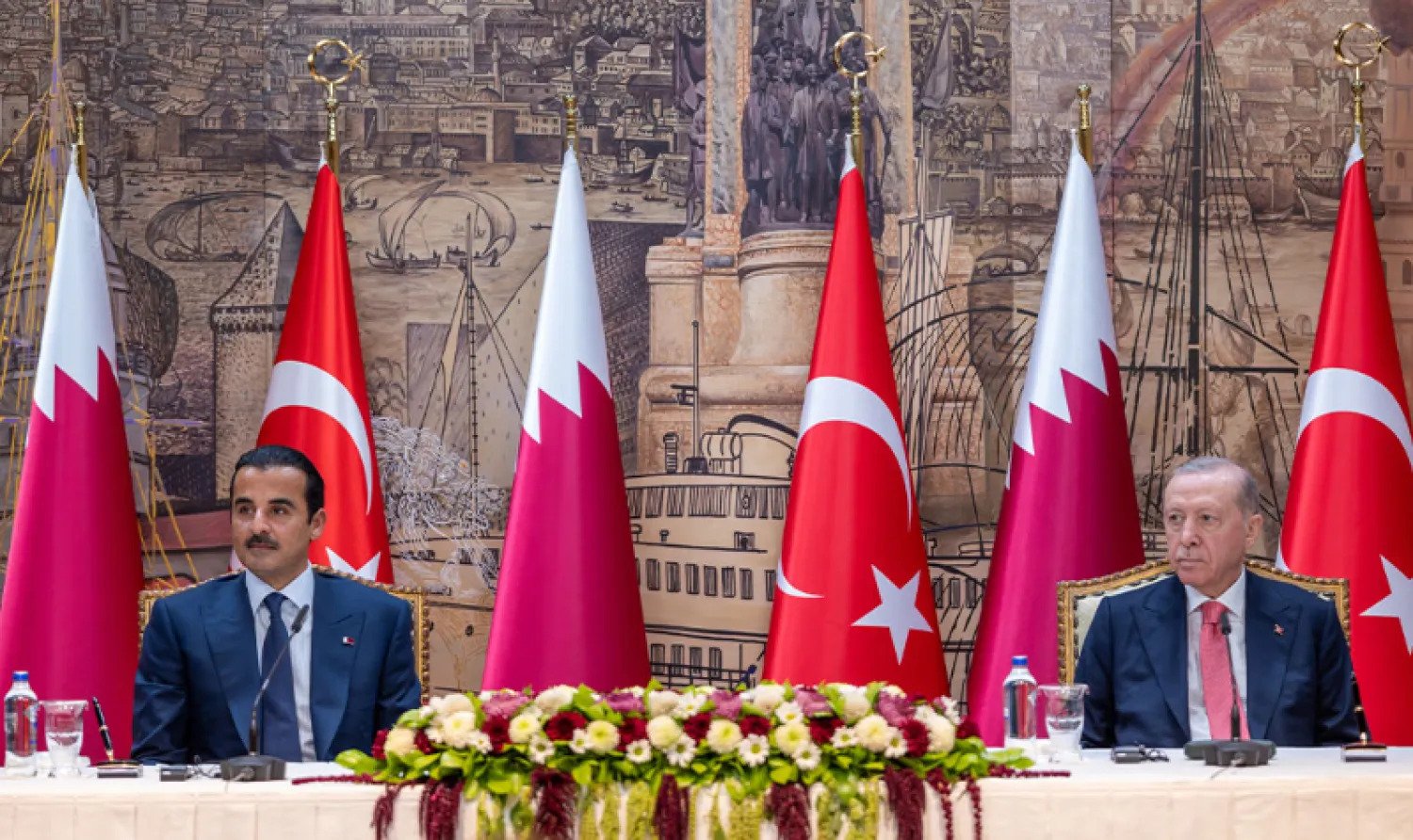
Qatar’s Emir Sheikh Tamim bin Hamad Al Thani and Turkish President Recep Tayyip Erdoğan signed the mutual defence agreement during their meeting at Istanbul’s Dolmabahçe Palace. According to a statement by Qatar’s Ministry of Foreign Affairs, the agreement provides for a unified response to any external armed attack targeting either country or both.
The significance of the agreement lies in the increasingly close relationship between Doha and Ankara, which has evolved over recent years beyond economic and political cooperation towards a more firmly established security and military partnership. In this context, the agreement seeks to institutionalise this rapprochement and transform it into a framework for coordinating responses to potential security threats.
At the regional level, the move carries implications that extend beyond bilateral relations. It reflects both countries’ determination to strengthen their capacity to navigate an increasingly complex security environment characterised by multiple sources of threat and growing uncertainty surrounding regional security arrangements. It also provides Turkey with an additional strategic foothold in Gulf security dynamics, while enabling Qatar to expand its network of defence partnerships and diversify its security options.
The agreement is also part of a broader package of understandings reached during the meeting, covering cooperation in education, consumer protection, and market surveillance, alongside collaboration on peace, reconciliation, and conflict resolution. This diversity highlights the two countries’ shared ambition to build a multidimensional partnership extending beyond military affairs to encompass institutional, economic, and diplomatic cooperation.
Nevertheless, the agreement’s actual significance will ultimately depend on the extent to which it is translated into clear implementation mechanisms, the nature of the military and security commitments it entails, and the scope of coordination between the two parties in times of crisis. Signing a mutual defence agreement signals an advanced level of strategic convergence, but it is not, in itself, sufficient to determine the precise nature of the alliance or its potential impact on regional power dynamics.
Ultimately, the agreement reflects the evolution of Qatari-Turkish relations towards a more advanced level of strategic coordination. It also signals both countries’ efforts to strengthen their positions in a regional environment where security alliances and defence partnerships are becoming increasingly important. At the same time, it raises important questions about the implications of this rapprochement for Gulf security architecture, the future of regional power balances, and the limits of Turkey’s role in shaping the region’s security landscape.
Most read




Read also