
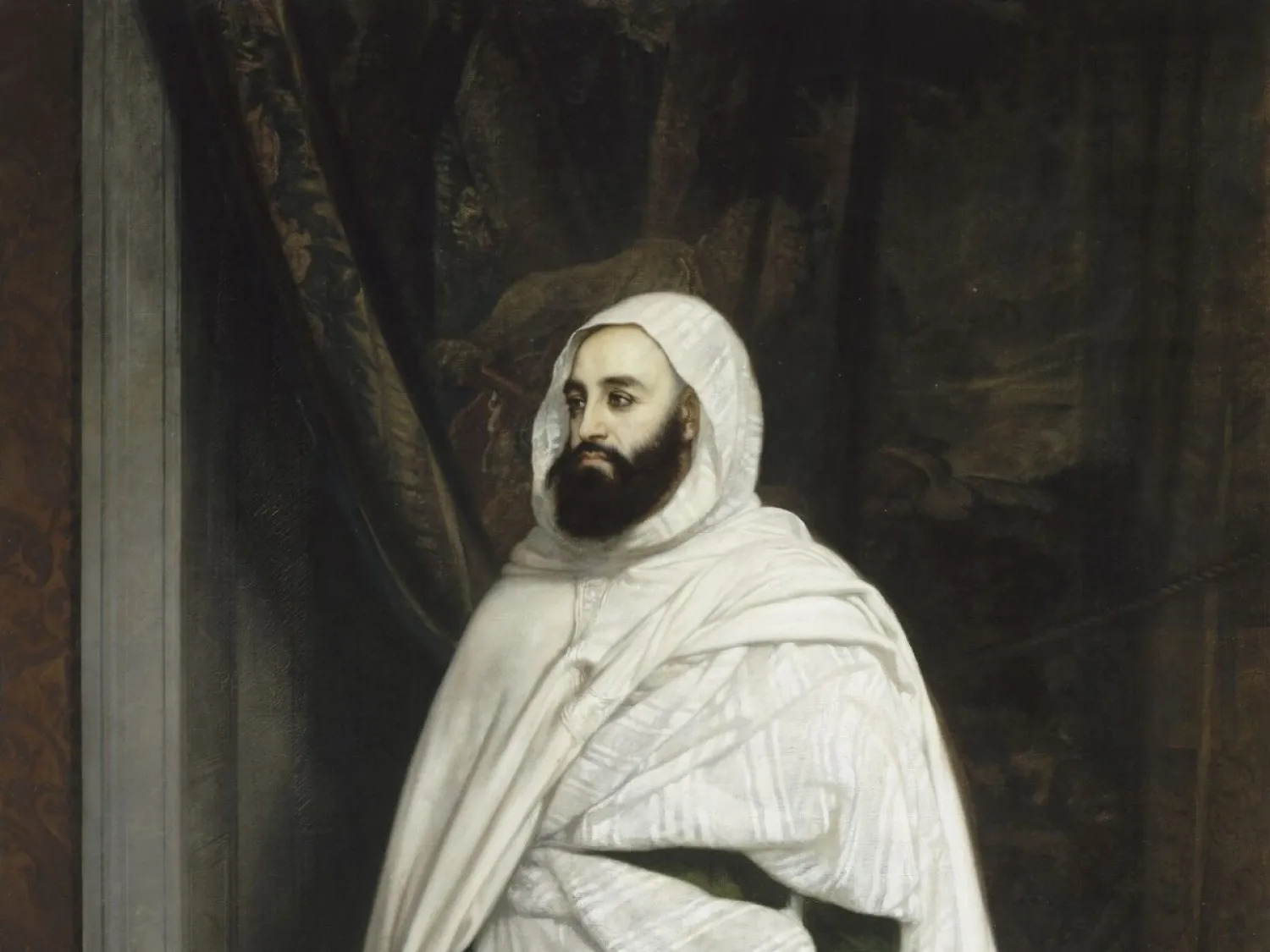
In a significant academic and cultural initiative that reflects the depth of Algerian-British relations and strengthens Algeria’s presence within one of the world’s most prestigious academic institutions, Algeria’s Ministry of Higher Education and Scientific Research and the Oxford Centre for Islamic Studies have jointly launched an academic chair named after Emir Abdelkader, the founder of the modern Algerian state.
The agreement was signed on behalf of Algeria by Minister of Higher Education and Scientific Research Kamel Baddari, and on behalf of the British side by Dr. Farhan Nizami, Director of the Oxford Centre for Islamic Studies.
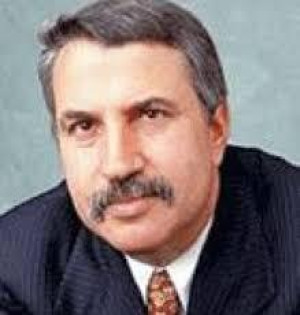
The signing ceremony was attended by the Rector of the Great Mosque of Algiers, Sheikh Mohamed Maamoun Al-Qasimi Al-Hassani; Algeria’s Ambassador to the United Kingdom, Nourredine Yazid; his British counterpart, James Downer; and several prominent political and academic figures. Among those present was former Minister of Higher Education Mustafa Cherif, a specialist in Islamic thought and author of Emir Abdelkader: Messenger of Human Fraternity. The event also brought together members of the diplomatic corps accredited in the United Kingdom, as well as numerous academics and researchers, underscoring the international significance of an initiative inspired by Emir Abdelkader’s legacy and his enduring values of tolerance, dialogue, and coexistence among cultures.
Following the signing ceremony, the two parties inaugurated a hall named “Algeria” at the Centre’s headquarters, further consolidating Algeria’s presence within this distinguished academic institution.
In his remarks on the occasion, Dr. Farhan Nizami expressed his pride in the establishment of the new academic chair, emphasizing that it would significantly advance scholarly research in the fields of human values, peace, and intercultural understanding. He noted that the chair would highlight Emir Abdelkader’s intellectual contribution to fostering international cooperation and promoting interdisciplinary studies.
For his part, Minister Kamel Baddari stated that the establishment of the chair represents a historic milestone for Algeria in promoting its intellectual and civilizational heritage on the international stage. He described it as a qualitative turning point in the development of scientific and academic cooperation between Algeria and the United Kingdom.
Baddari further stressed that the launch of the Emir Abdelkader Chair constitutes a continuation of a dialogue that began nearly two centuries ago between the Emir and the United Kingdom, a dialogue whose circle is being completed today.
He also emphasized the multiple dimensions of this initiative, describing it as an explicit recognition of Algeria as a partner in intellectual and human development. In addition, he noted that the project contributes to overcoming orientalist stereotypes surrounding Islam and Muslims while strengthening dialogue and deepening academic and cultural partnerships between the peoples of both countries.
Concluding his speech, Baddari reaffirmed Algeria’s commitment to actively supporting the chair’s activities with the aim of reviving Emir Abdelkader’s intellectual legacy and promoting awareness of his civilizational and spiritual heritage. He described the Emir as a global symbol of tolerance, moderation, justice, and human dignity.
Speaking at the ceremony, Sheikh Mohamed Maamoun Al-Qasimi, Rector of the Great Mosque of Algiers, stated that Emir Abdelkader represents a school of thought in his own right, transcending the boundaries of nation and time and forming part of humanity’s shared heritage.
He noted that the establishment of this chair at the Oxford Centre for Islamic Studies—which plays a distinguished role in fostering mutual understanding between the Islamic world and the West—makes Emir Abdelkader’s presence there both natural and fitting. According to Al-Qasimi, the Emir embodies a figure who spoke to his own era and continues to speak to the present through the universal language of human values.
As part of the agreement establishing the chair, it was also announced that applications would be opened to Algerian researchers seeking to benefit from a Visiting Scholar Fellowship at the Oxford Centre for Islamic Studies. This academic initiative is expected to strengthen scientific and intellectual exchange between the two sides and further enhance cooperation in research and knowledge production.
Most read