Escalation in the West Bank Amid the Stalled Military Option Against Iran

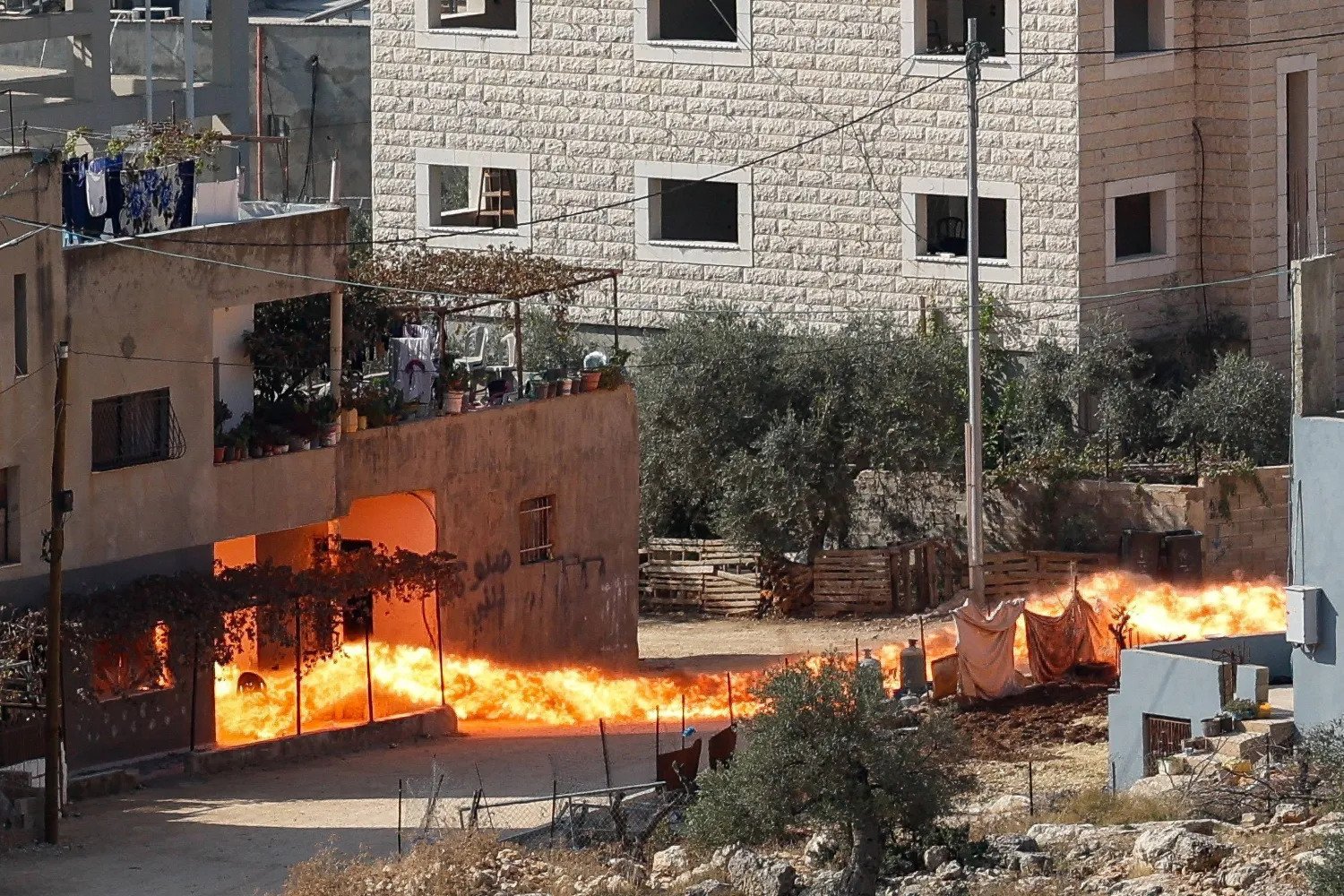
Recent developments within the Israeli government point to a possible shift by Prime Minister Benjamin Netanyahu towards expanding military and security escalation in the West Bank, coinciding with diminishing prospects of securing US support for another attack on Iran. Reports about the meeting of Israel’s Security Cabinet reflect continued divisions within the Israeli establishment over the timing of a military strike against Tehran. These divisions come amid military assessments suggesting that, despite the acceleration of Iran’s missile and military development programmes, its activities have not yet reached a threshold that would justify immediate military action.
Against this backdrop, the West Bank could emerge as an alternative arena for security escalation, whether through intensifying military operations, expanding troop deployments, or raising the prospect of a confrontation with Palestinian security forces. These possibilities have gained further significance amid reports that the Israeli military has prepared contingency plans for a potential collapse of security coordination or a direct confrontation with Palestinian Authority forces. Nevertheless, Israeli military representatives have reportedly stressed that they possess no information indicating that Palestinian security forces intend to initiate such a confrontation.
This potential shift cannot be separated from Netanyahu’s domestic political calculations. He faces mounting pressures related to the government’s future and the arrangements surrounding its formation, while also seeking to maintain his image as a leader capable of taking decisive security and military action. Escalation in the West Bank could therefore provide an opportunity to reinforce security-oriented political rhetoric and mobilise right-wing constituencies, without committing Israel to a broader regional confrontation for which clear American approval is currently lacking.
Meanwhile, the decision to postpone the removal of settlers who occupied houses near Jericho highlights another dilemma confronting the Israeli establishment: the conflict between security considerations and the political pressure exerted by right-wing forces and the settlement movement. The decision to delay evacuation while avoiding formal recognition of the settlers’ actions reflects an attempt to manage the contradiction between preventing the unilateral creation of new settlement realities and avoiding a confrontation with settlers and their political allies. The reinforcement of military deployments around the area also suggests an effort to consolidate the existing situation on the ground from a security perspective, despite continuing legal and political uncertainty surrounding the properties.
Reports concerning Iran and alleged threats to assassinate senior American officials also point to the use of intelligence-related claims as a means of influencing Washington’s calculations towards Tehran. However, these accounts remain allegations attributed to media and political sources and should not be treated as established facts. The controversy surrounding the accuracy of intelligence shared between the two sides highlights the sensitivity of relations between Netanyahu and the administration of Donald Trump, particularly when Israeli assessments conflict with Washington’s calculations regarding the timing and limits of escalation.
Overall, the situation does not necessarily indicate an inevitable shift from the Iranian front to the West Bank. Rather, it reflects an Israeli effort to redistribute military and political pressure across several arenas. However, expanding military operations in the West Bank, tolerating unilateral settlement activities, and threatening confrontation with the Palestinian Authority could undermine the remaining security coordination arrangements and increase the risk of a wider escalation on the ground.
The West Bank may therefore become one of the principal arenas in which Israel seeks to manage its domestic and regional pressures, while the scale of any escalation will remain closely tied to Washington’s position and the calculations of the Israeli military establishment.
Most read




Read also