
U.S. Midterm Elections: Will Congress Curb Trump’s International Ambitions?

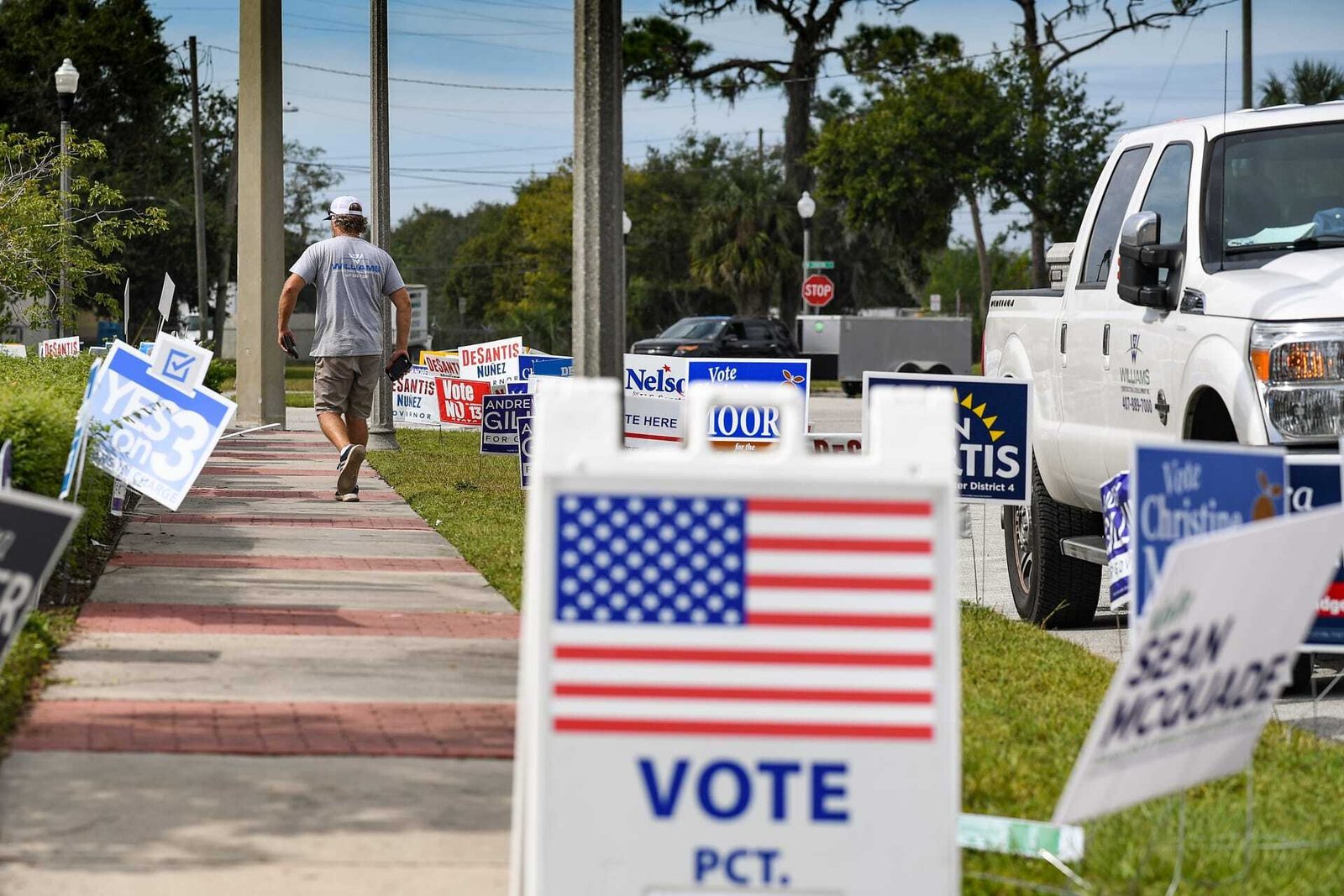
The results of the US midterm elections were more than a temporary setback for the Republican Party or a conventional victory for the Democrats. They marked a significant political shift in the balance of power in Washington, opening the door to a new phase of confrontation between the White House and Congress and raising fundamental questions about the future direction of American foreign policy as Donald Trump remains in office for the final two years of his presidency.
The results, which exceeded pre-election expectations in both scale and impact, reflected widespread public dissatisfaction with the administration’s policies. Democrats made substantial gains, extending their influence into states and constituencies that have traditionally been Republican strongholds, including Texas, Kansas, and South Carolina. The significance of these results lies not simply in the number of seats that changed hands, but in the political transformation they are likely to impose on the American decision-making process, particularly as Democrats take control of both chambers of Congress while Trump retains the presidency.
From Electoral Victory to a New Balance of Power
These results place the American political system before a new test of the separation of powers and the system of checks and balances, one of the fundamental constitutional principles underpinning the US political system. A Republican president in the White House facing Democratic majorities in both the House of Representatives and the Senate effectively shifts relations between the executive and legislative branches from relative political alignment toward greater competition, oversight, and political bargaining.
Under the US Constitution, Congress possesses a range of powers that enable it to influence foreign policy. These include the authority to declare war and regulate international trade, as well as the power to oversee the executive branch through congressional hearings, investigations, subpoenas, and requests for documents and information. Particularly significant is Congress’s control over government spending and appropriations, which represents one of its most powerful instruments for influencing the administration’s policies, whether concerning military expenditure, foreign assistance, or the financing of diplomatic initiatives.
By contrast, the Constitution grants the president extensive authority over foreign affairs as commander in chief of the armed forces and the country's principal representative abroad. The president also directs military operations and negotiates international treaties, although certain presidential powers remain subject to legislative approval and oversight, including Senate ratification of treaties and confirmation of ambassadors and senior officials.
Consequently, the shift in the balance of power within Congress does not necessarily mean that the president will lose control over foreign policy. Rather, it limits his ability to act unilaterally and increases the political and institutional costs of decisions requiring congressional funding, legislative backing, or broader political consensus. This is precisely where the strategic importance of the election results lies: the central question is no longer simply whether Trump can implement his foreign policy agenda, but whether he can build agreements with his Democratic opponents in Congress.
The War with Iran and Relations with Israel: Converging Interests, Diverging Calculations
The war with Iran is among the most significant issues likely to expose the changing relationship between the White House and Congress. The conflict's consequences, particularly its impact on energy prices, inflation, and the cost of living, have demonstrated that foreign policy can no longer be separated from domestic economic and electoral considerations. Rising living costs have become a major political issue, which Democrats have used to criticize the administration and link American military involvement abroad to the growing financial burden on ordinary citizens.
The significance of this development lies in the possibility that a prolonged war could become a source of legislative pressure on the administration. Democrats may seek to use their authority to review or restrict appropriations for military operations, delay certain presidential appointments, or intensify investigations into the administration's decisions and their strategic and economic consequences.
This does not mean, however, that Congress has unlimited power to immediately halt military operations. The president retains substantial authority as commander in chief. Nevertheless, continuing military operations without broad political support could intensify institutional confrontation and place the administration in a difficult position: maintaining military freedom of action while avoiding further erosion of its domestic political and economic standing.
The US-Israeli relationship, meanwhile, appears considerably more complicated in light of changes within the American political landscape. Traditional support for Israel, which for decades represented one of the strongest areas of bipartisan consensus in Washington, is increasingly being questioned within segments of the Democratic Party, particularly among younger generations and progressive factions. At the same time, divisions over the nature and extent of support for Israel have also emerged within parts of Trump's own Republican base.
This shift does not necessarily signal an imminent rupture in US-Israeli relations. Rather, it points to the gradual erosion of the traditional bipartisan consensus surrounding unconditional support for Israel. The debate is no longer limited to the continuation of military assistance; it increasingly encompasses the strategic nature of the relationship, the extent to which American support should be linked to Israeli political and military conduct, and the implications of this relationship for US interests in the Middle East.
Military and financial assistance to Israel is therefore likely to become a more prominent subject of congressional debate, while the White House may face growing pressure to justify its policies toward Tel Aviv. Nevertheless, shared security and strategic interests, alongside the institutional and political influence underpinning the bilateral relationship, will make any fundamental transformation of the alliance a complicated and potentially prolonged process.
Ukraine: An Opportunity to Reassess America's Position Toward Russia
In contrast, the election results could create an opportunity to strengthen American support for Ukraine, particularly given the Democrats' greater willingness to use legislative and financial instruments to support Kyiv compared with an administration whose approach to the Russian-Ukrainian war has been characterized by greater fluctuation and political bargaining.
Ironically, increased American assistance to Ukraine could also provide Trump with additional leverage in dealing with Moscow. Strengthening Ukraine's military capabilities and expanding Western support could increase the costs of continuing the war for Russia, potentially encouraging Moscow to reconsider its negotiating calculations.
This scenario, however, will depend on whether Democrats and Republicans can overcome their differences regarding the scale and conditions of military assistance, as well as Trump's ability to incorporate such support into a broader negotiating strategy aimed at achieving a political settlement.
Consequently, the divergence between the White House and Congress over Ukraine may not necessarily become an obstacle. Instead, it could develop into a source of mutual pressure on both Moscow and Kyiv to move toward a negotiated settlement.
China: The Persistence of Bipartisan Strategic Consensus
Unlike the Middle East and Ukraine, American policy toward China appears less likely to undergo fundamental change as a result of the elections. This is largely because Republicans and Democrats share a broad consensus that China represents the most significant long-term strategic challenge to American interests.
Competition with Beijing is no longer merely a trade or economic dispute. It has evolved into a multidimensional strategic rivalry involving advanced technologies, semiconductors, maritime security, defense industries, military superiority, and nuclear capabilities.
Democratic control of Congress, therefore, is unlikely to produce a substantial easing of pressure on China. Instead, it may provide further momentum for policies designed to strengthen American industrial and military capabilities, expand investment in strategic industries, and modernize missile defense and nuclear deterrence systems.
The significance of this issue lies in the fact that it represents one of the few areas in which Trump's agenda may overlap with Democratic priorities, allowing a degree of strategic continuity in American policy toward Beijing despite growing disagreements over the methods and economic costs of implementing that policy.
Trade and Tariffs: A New Front in Institutional Conflict
Trade policy and tariffs represent another major area in which confrontation between Congress and the White House could intensify.
Although the Constitution grants Congress the authority to regulate foreign commerce, successive legislative measures have delegated significant portions of this authority to the executive branch. This has enabled presidents to use tariffs and trade restrictions as instruments of political and economic pressure in negotiations with other countries.
The expansion of presidential authority in this area has generated growing disputes over the limits of executive power, particularly when trade decisions become instruments for reshaping international economic relations and imposing additional costs on American businesses and consumers.
Democrats are expected to consider reviewing some of the legislative delegations that allow the president to impose broad tariffs, potentially restoring a greater degree of congressional oversight and limiting the administration's ability to pursue trade policy unilaterally.
This could become one of the most important arenas of institutional confrontation between the two branches, given that tariffs constitute a central pillar of Trump's economic and political vision.
Trump Between Constitutional Constraints and Political Pragmatism
Despite these developments, it would be a mistake to assume that the midterm election results will immediately produce a fundamental transformation of American foreign policy. The president continues to enjoy extensive powers in managing international relations, directing military operations, and setting diplomatic priorities. Moreover, the American political system provides the executive branch with considerable room for maneuver in foreign affairs, even when confronted by an opposition-controlled Congress.
However, one of the most influential factors in the coming period may not simply be the constitutional balance between the branches of government, but rather Trump's personality and his approach to political management.
Trump is a president who approaches international affairs primarily through the logic of transactions and immediate interests. This gives him a degree of flexibility in changing positions and recalibrating alliances whenever his political calculations demand it.
Accordingly, Trump may not necessarily pursue an across-the-board confrontation with the Democratic-controlled Congress. Instead, he may seek selective agreements, capitalizing on areas of common ground with Democrats, particularly regarding competition with China, national security, defense spending, and certain aspects of trade policy.
Washington Faces a Phase of Rebalancing, Not a Change of Direction
Ultimately, the results of the midterm elections do not necessarily signal a comprehensive rewriting of American foreign policy. Rather, they point to the beginning of a new phase in which institutional balance will play a greater role, reducing the president's ability to impose his vision without legislative and political constraints.
The potential changes will vary from one issue to another. Pressure on the administration may intensify over the war with Iran and relations with Israel, while opportunities to strengthen support for Ukraine could expand. At the same time, bipartisan consensus on countering China's influence is likely to continue, while tariffs and trade policy may emerge as a major battleground over the limits of executive authority.
More importantly, American foreign policy will continue to be shaped by the interaction of three interconnected factors: the country's strategic interests, domestic electoral and partisan calculations, and the constitutional balance of power among the branches of government.
Therefore, Trump's real challenge will not simply be retaining the authority to act internationally, but rather transforming that authority into sustainable policies in the face of a Congress no longer controlled by his own party.
Washington is not necessarily heading toward a fundamental change in its international orientation. However, it is entering a period in which determining the direction of American foreign policy will become increasingly subject to political bargaining, negotiation, and institutional oversight.
The Democratic victory, therefore, may not fundamentally alter the objectives of American foreign policy, but it could significantly change the conditions under which those objectives are pursued, the limits on presidential action, and the political costs associated with implementing them.
Most read



Read also