The Future of Regional Security in the Middle East: Rapid Transformations and the Persistent Absence of Collective Security Arrangements

I. Context
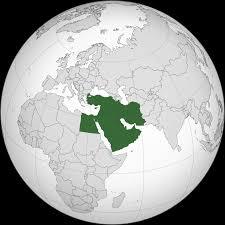
In recent years, the Middle East has witnessed a series of political and security developments that have once again brought the future of regional security to the forefront of strategic debate. These developments have unfolded within an increasingly complex regional and international environment, where local conflicts intersect with broader shifts in the global order.
At the regional level, events such as the Gaza war in October 2023 and the escalation between Iran and Israel—often referred to as the “Twelve-Day War”—have reshaped regional security priorities and renewed discussions about the nature of the threats facing the region. At the international level, the repercussions of the Russia–Ukraine war have also had significant implications for the Middle East’s strategic environment, influencing geopolitical balances and patterns of international alliances.
Taken together, these developments suggest that the region is undergoing a period of transformation whose broader implications may become clearer during the second quarter of the twenty-first century. However, understanding these shifts requires careful analysis of the historical lessons derived from patterns of collective security interactions in the Middle East.
II. The Problem of the Absence of Collective Security
The Middle East has long been characterized by the absence of an effective regional security architecture. Many scholarly studies refer to this condition as a “security deficit,” particularly when compared with other regions of the world that have successfully developed institutional frameworks for managing shared security threats and coordinating collective responses.
This phenomenon can be explained through the lens of the Regional Security Complex Theory, developed primarily by Barry Buzan. According to this framework, the establishment of a collective security mechanism requires a minimum level of shared perceptions among states regarding the nature of threats and the acceptable level of collective action to address them. Yet historical analysis of security interactions in the Middle East reveals that such consensus has largely been absent.
III. The Prevailing Regional Security Culture
The difficulty of establishing regional security arrangements in the Middle East can largely be attributed to the prevailing security culture in the region, which gradually took shape from the mid-twentieth century onward. This culture can be understood through three main dimensions.
1. Lack of Shared Threat Perceptions
States in the region display significant divergence in how they define the sources of threats to their national security. This divergence weakens what Buzan describes as the regional security complex, in which the security concerns of states are closely interconnected. Security perceptions in the Middle East often vary depending on political, economic, and strategic considerations. The evolving perceptions of Israel following the Abraham Accords—compared with earlier regional attitudes—provide a clear example of such shifts.
2. The Centrality of Military Power
Military power continues to play a dominant role in the region’s security calculations. This has been reflected in the significant expansion of military capabilities across Middle Eastern states, both through large-scale arms purchases and through the development of domestic defense industries, often in partnership with Western countries. At the same time, regional governments have increasingly paid attention to non-military dimensions of security, including energy security, food security, and control over advanced technologies such as artificial intelligence.
3. Limited Trust in Arab Security Frameworks
A lack of trust remains one of the most significant obstacles to developing collective security arrangements in the region. Political competition, intra-Arab rivalries, and imbalances of power among Arab states have weakened the effectiveness of existing regional security institutions—particularly those established under the framework of the League of Arab States.
IV. Key Issues Shaping the Future of Regional Security
In light of these structural factors, several key issues are likely to shape the future of regional security in the Middle East over the coming years.
First, shifting perceptions of rivalry and partnership within the region are redefining patterns of alliances and geopolitical alignments.
Second, the continued centrality of military power remains a defining feature of regional interactions, particularly in an environment characterized by high levels of militarization and strategic competition.
Third, the growing importance of energy resources and advanced technologies, particularly artificial intelligence, is increasingly shaping both cooperative and competitive dynamics among regional actors.
Fourth, the influence of non-Arab regional powers, including Iran, Turkey, and Israel, continues to play a decisive role in shaping regional security dynamics.
Fifth, the expanding strategic role of Gulf states in shaping the future of regional security arrangements is becoming increasingly evident, given their growing economic, technological, and military capabilities.
V. Strategic Implications
These dynamics indicate that the future of regional security in the Middle East will largely depend on the ability of regional states to overcome the persistent absence of shared threat perceptions. Without a minimum level of strategic consensus among the region’s key actors, establishing a comprehensive regional security framework will remain highly challenging.
At the same time, ongoing transformations in the international system—combined with the rising importance of technological innovation and energy geopolitics—may open the door to new forms of regional cooperation. However, such cooperation may emerge in the form of flexible and issue-based alliances rather than a fully institutionalized collective security system.
Conclusion
The Middle East appears to be entering a new phase in the evolution of its regional security dynamics. As geopolitical and technological transformations continue to reshape the strategic landscape, the future of regional security in the region will likely remain open to multiple scenarios—ranging from the persistence of the current security deficit to the emergence of flexible and partial security arrangements based on shifting alliances rather than a comprehensive collective security architecture.
Most read