Algeria and the UAE in the Heat of the Struggle for Regional Influence and Security

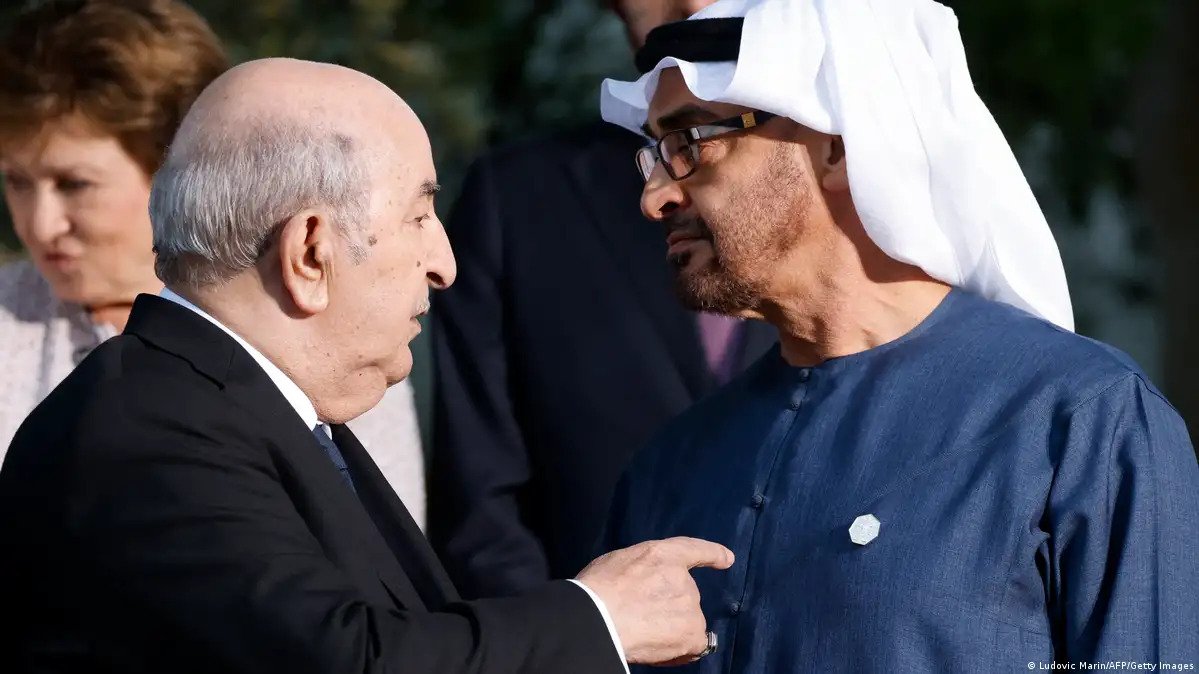
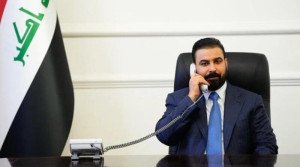
The growing tensions between Algeria and the United Arab Emirates have moved beyond a temporary diplomatic dispute or differences over regional issues. On September 10, 2026, Algeria announced that it was severing diplomatic relations with Abu Dhabi and gave the UAE ambassador 48 hours to leave the country. In a further escalation, the Algerian Ministry of Defense announced the closure of Algerian airspace to all civilian and military aircraft registered in the UAE.
The decision represents a major escalation between two countries that have maintained diplomatic relations since the 1970s. At the same time, however, it appears to be the culmination of a prolonged deterioration in ties, driven by disagreements over security and foreign policy in North Africa, the Sahel and the wider Middle East.
Abu Dhabi, for its part, responded in comparatively restrained language. The UAE Foreign Ministry expressed hope that Algeria’s decision would be “temporary” and stressed its commitment to maintaining the bonds between the two peoples and their shared interests. This response suggests that, despite the rupture, the UAE does not appear eager to close the door to a possible restoration of relations in the future.
An Algerian Decision After Years of Accumulating Tensions
The Algerian Foreign Ministry said the decision to sever diplomatic relations came after “all avenues to preserve bilateral relations had been exhausted,” accusing the UAE of escalating what it described as “provocative or hostile actions.”
The Algerian statement did not provide a comprehensive account of the developments that led to the decision. However, statements by Algerian officials in previous months suggest that the dispute had extended well beyond a single issue.
President Abdelmadjid Tebboune had repeatedly criticized the UAE and called for it to distance itself from Algeria. In February, Algerian authorities also began procedures related to the cancellation of an air-services agreement signed between the two countries in 2013.
The diplomatic rupture therefore appears to be the culmination of a gradual deterioration rather than a reaction to a single incident.
From Bilateral Dispute to Regional Competition
The most complicated dimension of the crisis is that Algerian-UAE relations cannot be understood separately from the two countries’ differing approaches to their regional roles.
Algeria has traditionally pursued a foreign policy centered on state sovereignty and non-interference in the internal affairs of other countries, with particular attention to the security of its southern and eastern borders and developments in the Sahel and Libya.
The UAE, meanwhile, has pursued a more activist foreign policy in recent years, building multiple partnerships and becoming involved, to varying degrees, in a number of regional issues through diplomatic, economic, security and political channels.
This difference does not necessarily mean that every Emirati regional initiative is directed against Algeria. It does, however, help explain why Algiers views certain Emirati activities through a more security-sensitive lens, particularly when they take place in neighboring states or areas that Algeria considers part of its immediate security environment.
Western Sahara: A Major Point of Divergence
The Western Sahara issue is among the most important factors contributing to the widening gap between the two countries.
Algeria supports the Polisario Front and has traditionally advocated a process centered on the principle of self-determination, while the UAE has strengthened its ties with Morocco and expressed support for Morocco’s position on Western Sahara. Abu Dhabi has also opened a consulate in the territory.
The dispute cannot be separated from the broader rivalry between Algeria and Morocco, whose relations have been deeply strained for years.
From Algeria’s perspective, the growing Arab and international support for Morocco’s position on Western Sahara represents a strategic development that works against its interests. From the Emirati perspective, meanwhile, strengthening relations with Morocco is part of its broader diplomatic and economic engagement in North Africa.
Western Sahara has therefore become one of the arenas where bilateral differences intersect with wider regional calculations.
Libya and the Sahel: Algerian Security Concerns and a Broader Network of Influence
The divergence becomes more pronounced in Libya and the Sahel.
Algeria views Libya as a direct geographic and security extension of its territory and has generally favored a political settlement that reduces the risks of state fragmentation, armed conflict and external intervention.
The UAE, meanwhile, has been associated in international reporting with political and military support for forces led by Khalifa Haftar in eastern Libya, placing Abu Dhabi at odds with aspects of Algeria’s preferred approach to the Libyan crisis.
In the Sahel, tensions have also increased amid Algeria’s disputes with military-led governments in the region, particularly in Mali and Niger. Algeria has accused the UAE of supporting actors it regards as contributing to regional instability, while Abu Dhabi has rejected or disputed such interpretations of its regional policies.
Here, however, it is important to distinguish between publicly established facts and political allegations. Some claims concerning financing or arms transfers have not been accompanied by sufficient publicly available evidence to treat them as conclusively established facts.
Even so, the divergence in strategic interests between the two countries is clear, making these issues central to understanding the deterioration in their relationship.
Sudan Adds Another Dimension
Sudan has also emerged as another area of disagreement.
Algeria has generally emphasized support for Sudanese state institutions and the army, while the UAE has faced repeated accusations of supporting the Rapid Support Forces. Abu Dhabi has denied allegations of providing direct military support to the RSF, while debate over the nature and extent of the UAE’s role in the Sudanese war has continued internationally.
The issue is particularly significant for Algeria because Sudan sits at the intersection of North Africa, the Horn of Africa and the Red Sea—regions that are becoming increasingly important to regional security calculations.
Sudan is therefore more than another foreign-policy disagreement. It reflects a broader divergence over the type of regional order that each country wants to see emerge in its wider neighborhood.
Israel and Normalization: A Difference in Political Outlook
The two countries’ approaches to Israel have also contributed to the widening political gap.
The UAE was among the Arab states that signed the Abraham Accords and established diplomatic relations with Israel in 2020. Algeria, by contrast, has maintained a more restrictive position toward normalization in the absence of a settlement of the Palestinian issue.
This disagreement was not, by itself, the cause of the diplomatic rupture. It has nevertheless become part of a broader divergence over international relations and regional alignments.
Algeria’s position is strongly influenced by its historical foreign-policy identity, including support for liberation movements and the Palestinian cause and its tradition of
Most read




Read also