The Powerful Men of Beijing
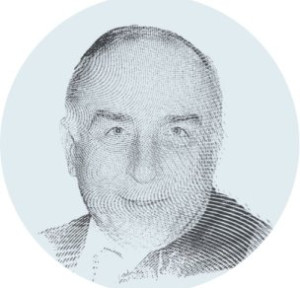
The Beijing summit confirms—without formally declaring it—that the global order we have long spoken of changing has, in fact, already changed. The matter is settled. The world’s two most powerful men are now discussing its affairs and future in the absence of Russia, Europe, and even the United Nations itself.
We have moved from the age of great statesmen to the age of great businessmen. Donald Trump has replaced Franklin D. Roosevelt, and Narendra Modi has replaced Jawaharlal Nehru. Between Trump, Modi, and Xi Jinping lives half the world, while the other half searches for salvation outside the traditional frameworks.
Instead of New York City and Geneva, mediators today emerge from Islamabad and Amman. Much has changed in the habits and rules of diplomacy under the influence of the “man of towers” and his methods of resolving crises and ending wars.
He transformed the issue of Gaza Strip into something resembling a semi-family peace council. Meanwhile, the United Nations had already been suffering in recent years from what could only be described as chronic institutional exhaustion under António Guterres. Then came the American president, who effectively stripped the organization of both its status and role. Today, it appears little more than a regional—or even local—council nostalgically recalling its former glory.
Yet this tense relationship is not the first between the United States and the international body it helped create. The permanent weakness of the United Nations lies in the fact that it is burdened with debt—estimated at around $1.5 billion—and that its principal guarantor remains Washington. To this day, neither China nor Russia has seriously attempted to assume that role.
The last decade has perhaps been among the most stagnant periods in the history of the organization, and these lean years coincided with the era of Trump—the man who claims he ended ten wars and reminds the world that 25,000 soldiers fall every month in the war in Ukraine.
This, meanwhile, is Latin America’s turn at the post of Secretary-General. Among the leading candidates is former Chilean president Michelle Bachelet, who is widely expected to secure the position with relative ease given the weight and richness of her political career.
Quoted from: Asharq Al-Awsat Newspaper
Most read