Between shared memory and the complexities of reality... A seminar in Egypt discusses the identity of Arabs and Kurds


Asmaa Fathy
Cairo — In a world where identities increasingly intersect and political tensions continue to escalate, culture is once again emerging as a possible space for dialogue and rapprochement. From this perspective, the seminar titled “Cultural Commonalities Between Arabs and Kurds: A Shared Memory and Diversity that Enriches Identity” opened a discussion on what unites peoples beyond alignments and conflicts.
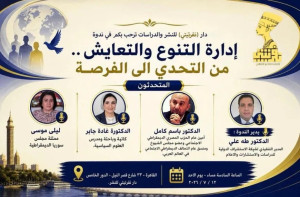
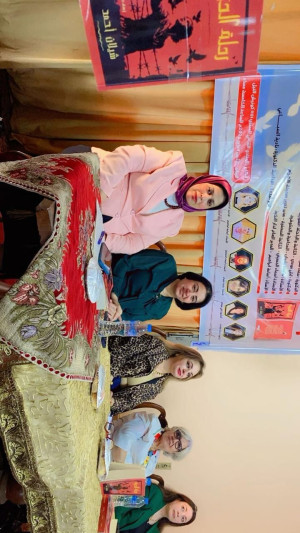
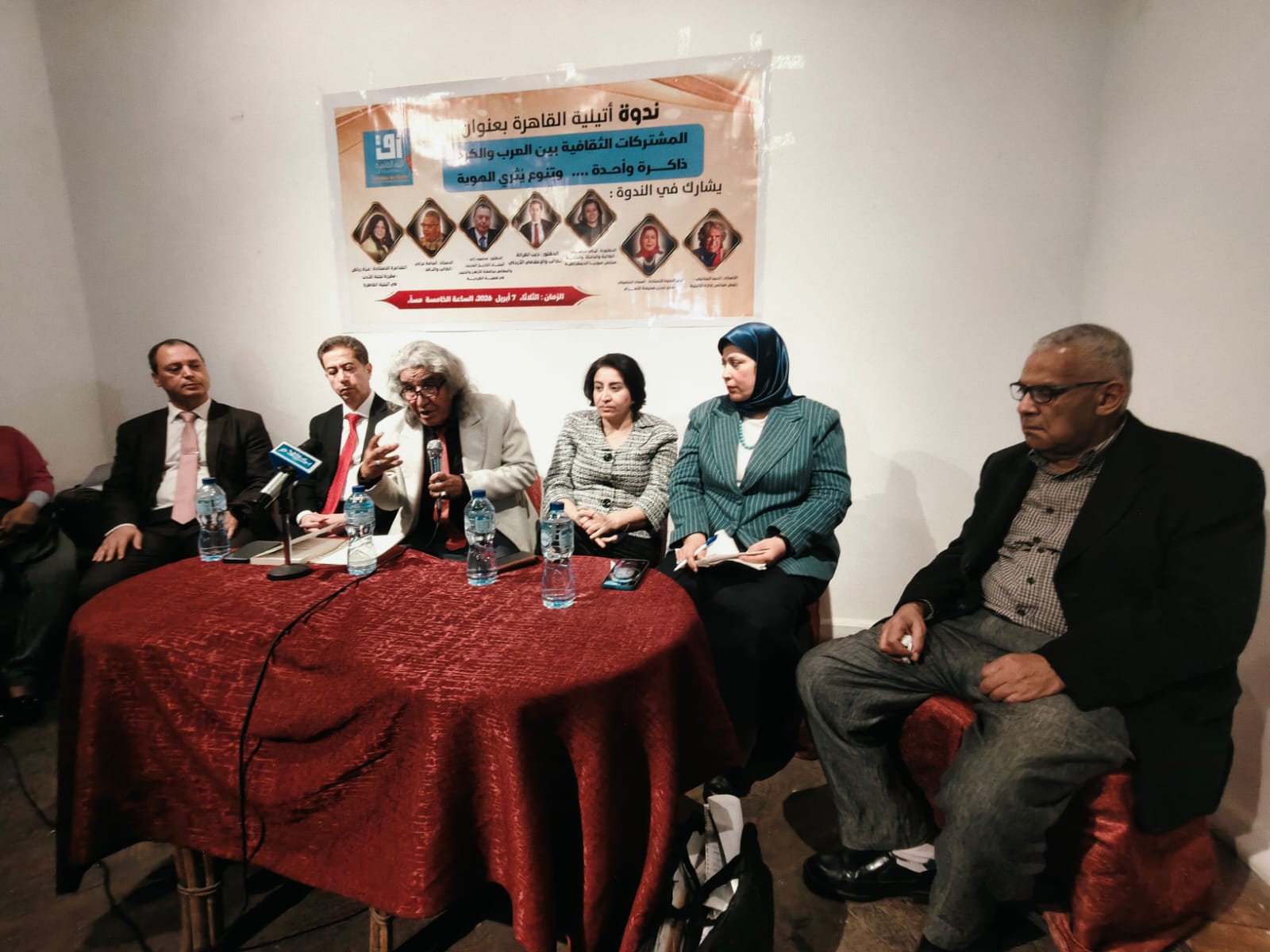
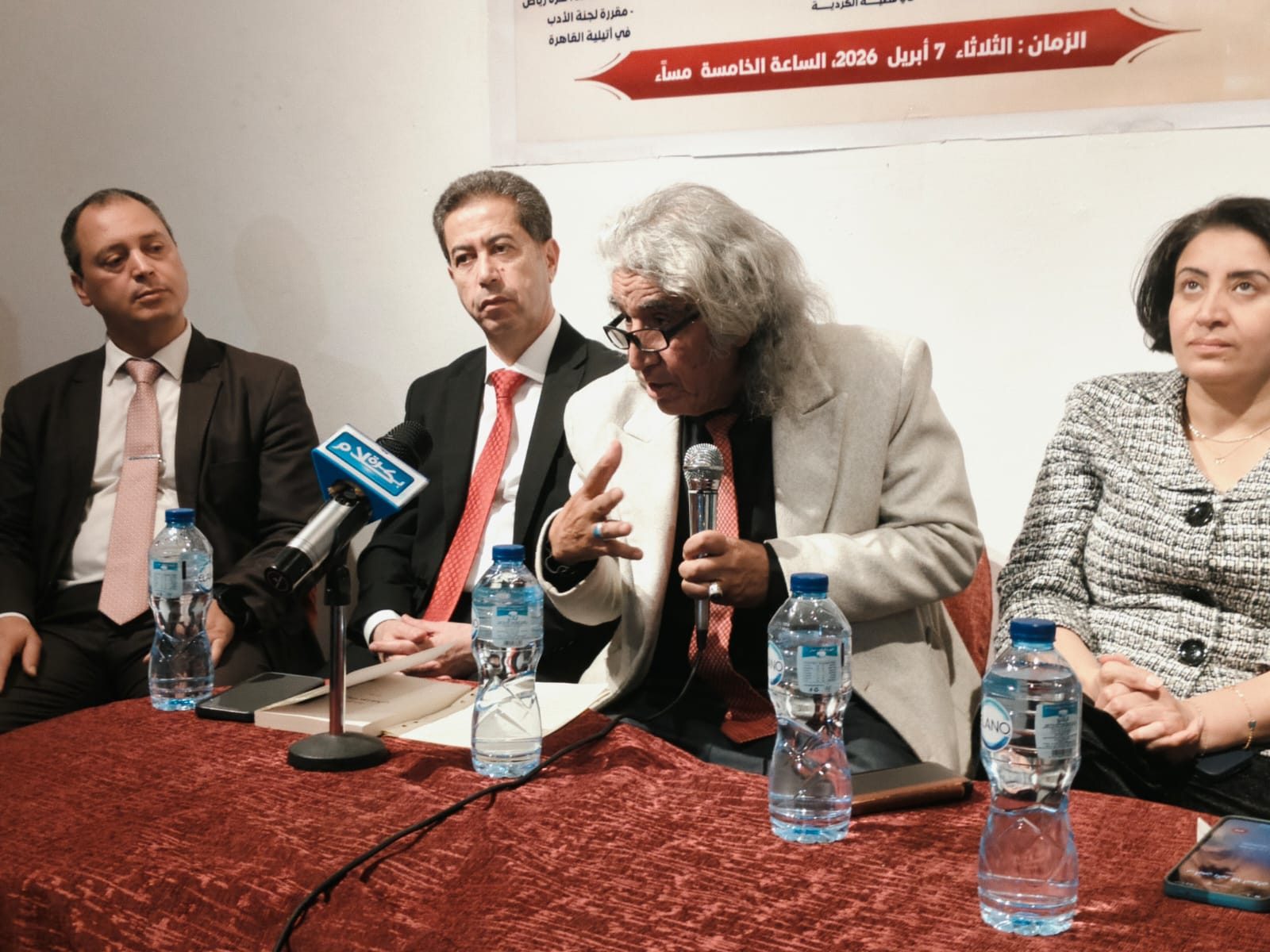
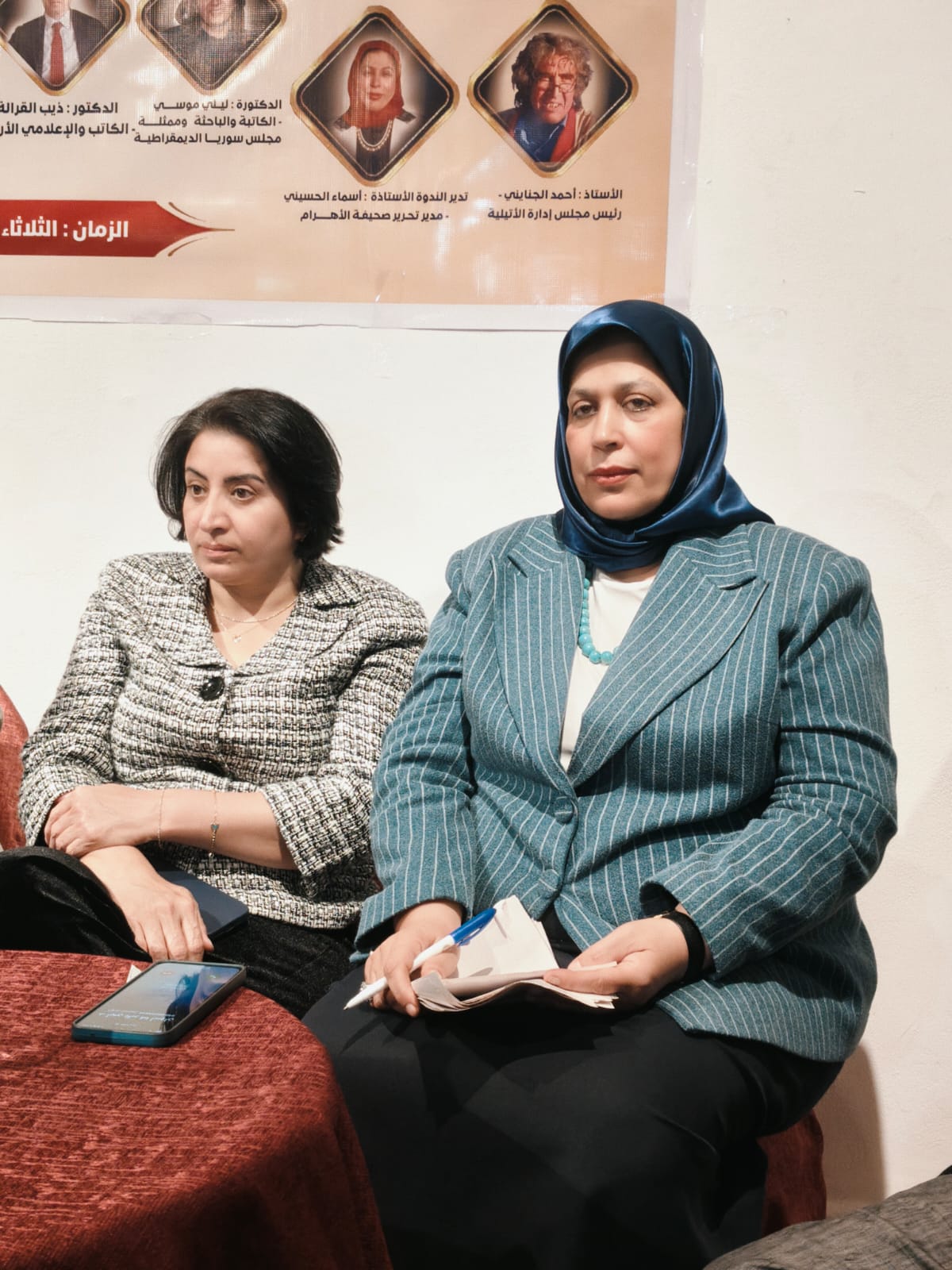
On Tuesday, April 7, the Cairo Atelier hosted a panel discussion under the same title, attended by a group of intellectuals and researchers who sought to unpack the relationship between shared memory and cultural diversity. Participants presented different perspectives on the concept of identity and its boundaries—between what is fixed and what is changing, and between what is political and cultural at the same time.
During the seminar, viewpoints varied between emphasizing the deep historical and cultural ties linking Arabs and Kurds, and highlighting the complexities of the current reality shaped by political and media transformations, which in turn influence the formation of collective consciousness among both sides.
Important questions were also raised about who produces these cultural narratives and who is excluded from them, particularly regarding the presence of women and their role in preserving and transmitting collective memory. Such discussions open the door to reinterpreting identity from a more inclusive and equitable perspective.
Discussing “cultural commonalities” is therefore not merely an attempt to revive the past, but rather an effort to understand the present and anticipate possible futures.
Within this context, the idea of “shared memory” emerges as an important entry point for rebuilding bridges of dialogue, especially between Arabs and Kurds, given the transformations and tensions that have characterized their relations. It also raises questions that move beyond slogans toward a deeper exploration of the meaning and limits of identity.
Accepting the Other: A Gateway to Rethinking Relations Between Peoples
Within a rich intellectual and cultural atmosphere, the seminar opened a broad discussion about the concept of “accepting the other” as a fundamental entry point to understanding relations between peoples. This discussion did not occur in isolation from the regional context but was directly linked to the tensions and overlapping conflicts currently unfolding across the region.
The seminar also attempted to move beyond theoretical debates by examining everyday human experiences that reflect the nature of relations between Arabs and Kurds. This approach added a practical dimension to the discussion, moving it beyond slogans toward deeper reflection on lived realities.
Within this framework, fundamental questions emerged about whether existing coexistence reflects genuine acceptance or merely a response to imposed circumstances.
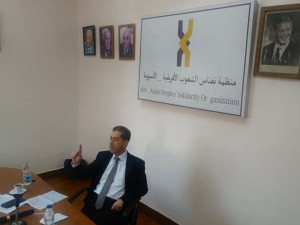
During her remarks, Dr. Laila Moussa, representative of the Syrian Democratic Council in Egypt, explained that the seminar comes at a sensitive stage for the region, marked by escalating wars and conflicts despite the deep commonalities shared among its communities. She noted that political factors have played a significant role in fueling these conflicts to the extent that peoples now seem unfamiliar with one another.
She emphasized that accepting the other should not be reduced to diplomatic rhetoric or slogans. Rather, it is an internal stance that reflects a person’s ability to recognize the right of others to be different without fear or threat.
Moussa pointed out that there is a fundamental difference between living together and accepting one another. While coexistence may be imposed by circumstances—such as shared workplaces or neighborhoods—it does not necessarily imply genuine acceptance. True acceptance, she explained, is an internal decision that requires awareness and will, and it plays a crucial role in building trust among the components of society.
Politics and the Manufacturing of Stereotypes: How the Gap Is Formed
As the discussion continued, participants raised questions about the role of politics and media in shaping perceptions of the “other” and the extent to which they contribute to widening gaps between peoples. This shifted the conversation toward analyzing the roots of conflicts rather than merely their outcomes.
Speakers pointed out that many of these conflicts were not originally embedded in societies themselves but were amplified or constructed through charged rhetoric and accumulated practices. This perspective opened the door to a deeper understanding of how natural differences can gradually transform into sources of tension and conflict.
Dr. Laila Moussa explained that sectarian, religious, and communal conflicts in the region were not historically present in the forms seen today. Rather, they have been exported and manufactured over time. She added that the repetition of stereotypes—whether in media narratives or everyday discourse—contributes significantly to entrenching divisions between peoples.
She also noted that children are not born rejecting others; instead, such ideas are acquired from their surrounding environment, whether through family or society. In this regard, women—whether as mothers or teachers—play a pivotal role in shaping this awareness. They can either instill values of acceptance or reinforce negative stereotypes.
Moussa emphasized that the relationship between Arabs and Kurds is not a recent development but one formed through daily interactions and shared human experiences. The two communities have long lived side by side, sharing language, customs, and social occasions.
However, she stressed that this history alone is not sufficient unless it is transformed into a conscious culture and everyday behavior based on respect for differences. Genuine acceptance, she added, often reveals itself in small details—such as tone of speech, word choice, and the ability to listen.
Egyptian–Kurdish Relations: Historical Roots and an Extended Identity
In the search for cultural commonalities, history emerges as one of the most important keys to understanding the nature of relations between peoples. The present cannot be understood in isolation from the historical continuities that have shaped such connections over time.
Revisiting these roots reflects an attempt to demonstrate that relations between peoples are not accidental but have developed through long and complex interactions, giving the discussion a deeper dimension that transcends the present moment.
In this regard, the relationship between Egyptians and Kurds represents a clear example of such historical and cultural overlap.
Dr. Azza Mahmoud Ali Hassan, a public administration consultant at the Egyptian Ministry of Culture, explained in a statement to our agency on the sidelines of the seminar that Egyptian–Kurdish relations date back to ancient times.
She pointed to historical interactions since ancient Egypt, including marital alliances among rulers. This historical intersection, she noted, was further strengthened through key historical periods, particularly during the rule of Salah al-Din al-Ayyubi (Saladin) in Egypt and the establishment of the Ayyubid state, reflecting a significant Kurdish presence in Egyptian history.
She also highlighted that this presence extended beyond politics to the fields of culture and intellectual life, noting that several prominent figures in Egypt trace their origins to Kurdish roots. Such intersections, she added, reflect the unity of the social fabric and its capacity to accommodate diversity.
Cultural Seminars as Spaces for Strengthening Partnerships and Acceptance
Amid the challenges facing the region, the importance of cultural events as spaces for dialogue and exchange of ideas continues to grow. These gatherings provide opportunities to rebuild bridges of communication between peoples beyond political tensions.
Such seminars also create an environment that allows for multiple viewpoints, enhancing the chances for mutual understanding and making them effective tools for promoting coexistence and acceptance.
Dr. Azza Mahmoud Ali Hassan emphasized that bringing individuals together in a shared cultural space to exchange perspectives is essential, especially in light of the crises and wars affecting the region. She stressed the importance of preserving shared cultural roots as a means of countering attempts to fragment relations between peoples.
She added that such seminars help strengthen intellectual and cultural partnerships and called for expanding participation—particularly among youth and university students—given their important role in building an awareness grounded in dialogue and acceptance of the other.
Conclusion: Beyond Coexistence Toward Genuine Acceptance
At the conclusion of the seminar, it became clear that discussing cultural commonalities between Arabs and Kurds goes beyond invoking history or reaffirming long-standing ties. It also requires an honest confrontation with the complexities of reality, particularly in light of political influences and divisive rhetoric.
While some perspectives presented an optimistic vision rooted in the depth of historical relations, other contributions revealed a gap that requires genuine awareness—one that moves beyond superficial coexistence toward real acceptance based on understanding and respect.
Participants emphasized the importance of continuing such cultural encounters as necessary spaces for dialogue—not only to reaffirm shared elements but also to rebuild trust between peoples on more equitable and inclusive foundations.
Acceptance of the other, they concluded, should not remain a slogan but must become a daily practice that begins with the individual and extends to society as a whole. Such an approach may pave the way for more humane and stable partnerships in the future.
Most read