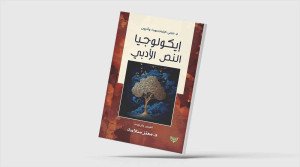

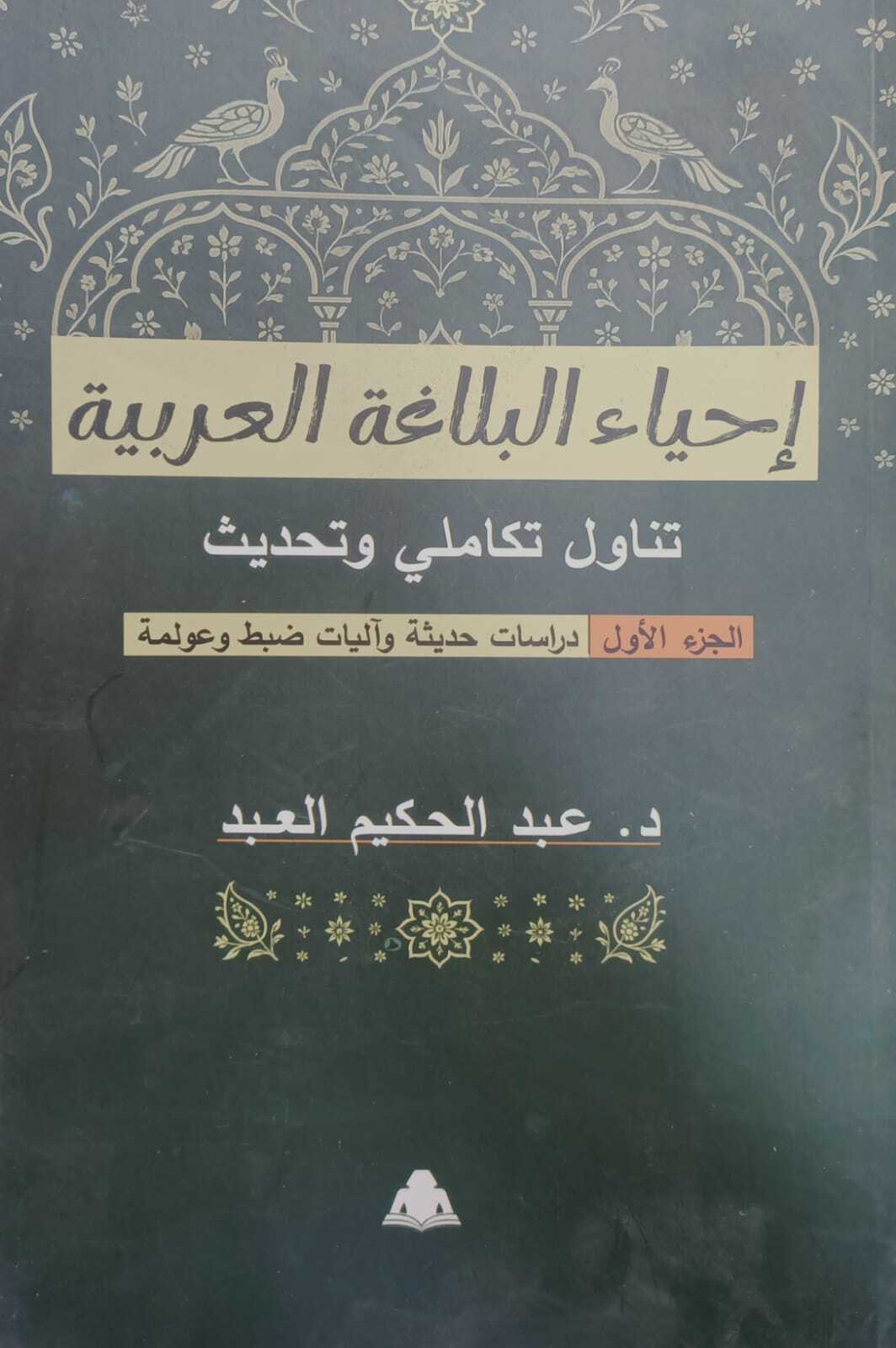
A new scholarly book titled “Reviving Arabic Rhetoric: An Integrative and Modern Approach” by Abdel Hakim Al-Abd has been recently published by the General Egyptian Book Organization. The work represents a serious academic effort to reconstruct the field of Arabic rhetoric on modern scientific foundations that combine theoretical grounding, structural coherence, and practical application.
The book advances a comprehensive vision that moves beyond the traditional fragmented view of rhetoric, presenting it instead as an integrated theory of linguistic composition and aesthetic effect, rather than a set of isolated disciplines. Within this framework, the author proposes a revised classification of rhetorical sciences into four main branches: metaphor (majāz), (bayān), (ma‘ānī), and (badī‘), notably elevating majāz to the status of an independent discipline—an innovative departure from the classical tripartite model.
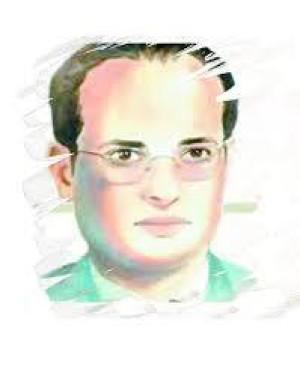
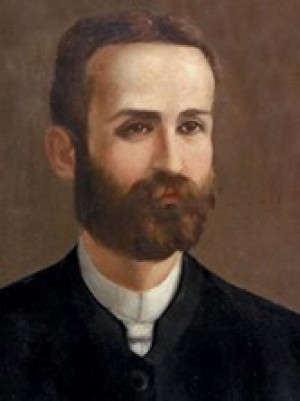
Structured in four parts, the book begins by addressing contemporary studies and the challenges of redefining rhetoric in the context of globalization. It engages with questions of authenticity and modernization, drawing on the intellectual legacy of Abdel Aziz Hammouda, whom the author describes as “the Jurjani of our time,” referencing the enduring influence of Abd al-Qahir al-Jurjani and his foundational theory of nazm (syntactic arrangement).
Among the book’s key contributions is an attempt to further develop the theory of nazm through a sophisticated analytical framework based on detailed tables and categorical systems. These encompass multiple levels, including the “physics” of language, modes of description and imagination, patterns of coherence and contrast, as well as structures of rhythm and meter. This approach reflects a synthesis between classical rhetorical analysis and modern textual methodologies.
The work also revisits enduring theoretical questions in rhetoric—most notably the relationship between literal and figurative language—offering a rearticulation of traditional concepts alongside a new classification of metaphor. In doing so, the author draws on both linguistic and philosophical heritage, incorporating insights inspired by Al-Khalil ibn Ahmad al-Farahidi while introducing contemporary analytical additions.
As part of its modernization project, the book introduces a new conceptual framework titled “The Hierarchies of Tense in Arabic,” employing meta-linguistic terminology to refine analytical tools within the science of ma‘ānī, and linking them to pedagogical and communicative applications.
Importantly, the book goes beyond theoretical exposition by dedicating an entire section to applied analysis. It presents selected examples from both classical and modern texts, examining their macro and micro structures, and demonstrating how rhetorical elements interact to produce meaning and aesthetic effect.
At its core, the work seeks to restore Arabic rhetoric as a vital tool for cultivating literary taste and correcting misconceptions that have reduced it, in some academic circles, to a rigid or outdated discipline. By presenting rhetoric in a clear, systematic, and accessible manner aligned with modern educational needs, the book positions itself as a meaningful contribution to contemporary (literary criticism).
Ultimately, this publication represents a significant attempt to reintegrate Arabic rhetoric into the heart of modern critical studies and discourse analysis, opening new avenues for researchers, students of literature, and practitioners in the arts.
Most read