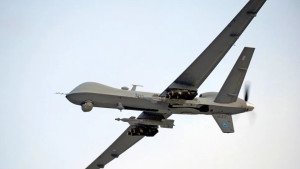

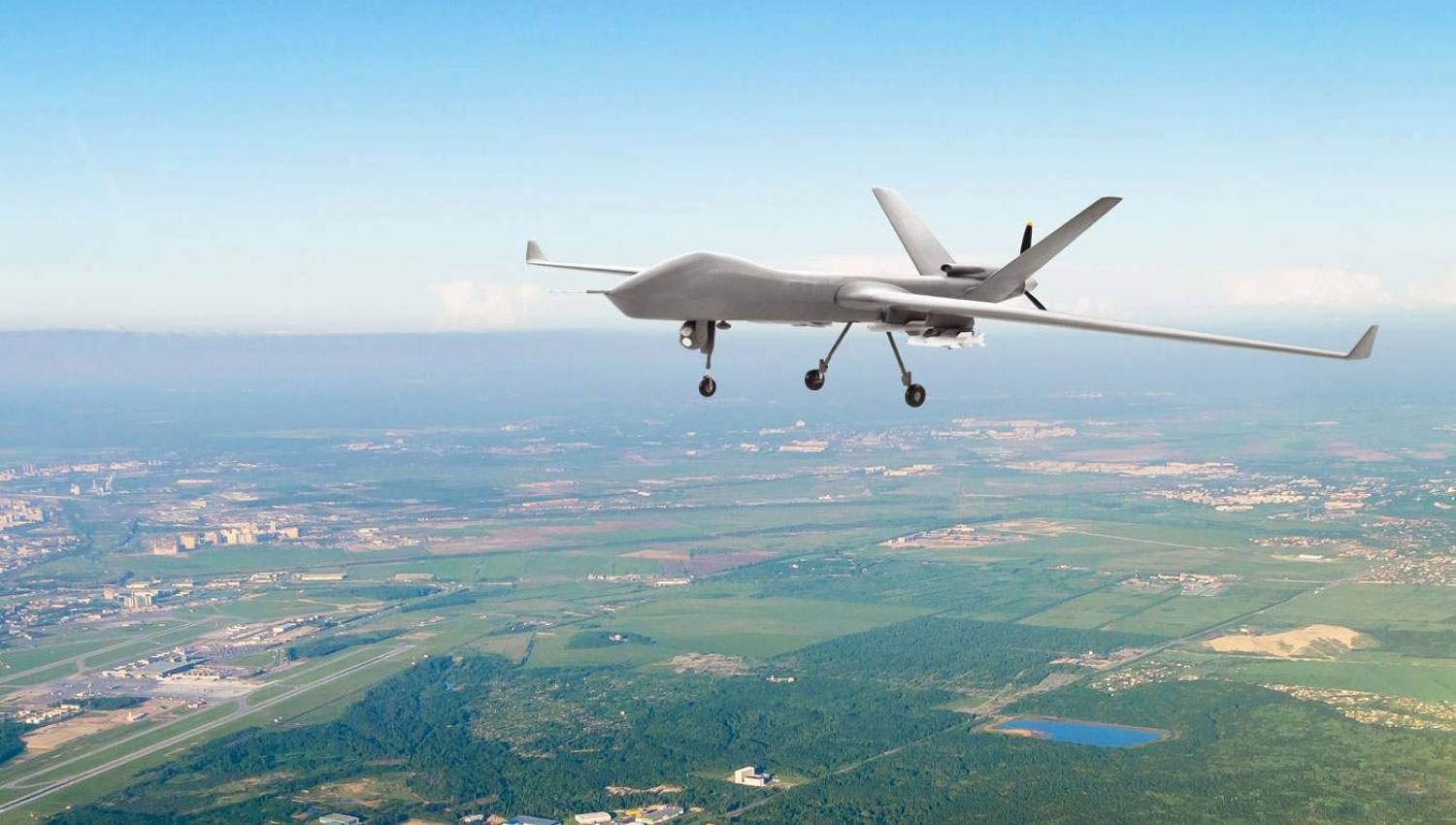
Contemporary warfare is undergoing rapid transformations driven by technological advances, particularly in the fields of unmanned aerial systems and artificial intelligence–enabled military technologies. Recent conflicts in the Middle East have highlighted the growing role of low-cost drones in reshaping the balance between offense and defense. At the same time, increasing attention is being directed toward the development of lethal autonomous weapon systems (LAWS), which may represent the next stage in the evolution of military operations.
This article examines how the proliferation of low-cost drones is altering operational dynamics in modern warfare. It also explores the ongoing international debate surrounding lethal autonomous weapon systems and outlines the main features of U.S. policy regarding these emerging technologies.
Low-Cost Drones and the Changing Cost Dynamics of Warfare
Iranian drones—particularly the Shahed-136—have emerged as a prominent example of how relatively inexpensive technologies can influence modern conflict. These drones are estimated to cost between $20,000 and $50,000 per unit, possess a range of up to 2,000 kilometers, and are equipped with precision guidance systems.
The strategic significance of such systems lies in their ability to provide what can be described as low-cost precision mass. Unlike expensive cruise or ballistic missiles, drones allow for repeated strikes at relatively low cost while maintaining operational pressure on adversaries.
This approach enables Iran to reduce the cost of offensive operations while sustaining military campaigns, while simultaneously raising the cost of defense for the United States, Israel, and their regional partners.
Although air defense systems have intercepted a large proportion of these drones—estimated at 80–85 percent—the combined use of drones and limited numbers of ballistic missiles has still placed significant strain on defensive resources and allowed some targets to be hit.
The challenge is particularly evident in the cost imbalance between offensive and defensive systems. Advanced air defense platforms such as the Patriot missile system are significantly more expensive than the drones they intercept. As a result, defending against large numbers of low-cost drones can impose substantial financial and operational burdens on air defense systems.
In this context, some assessments suggest that despite its technological superiority, the United States still lacks comparable low-cost drone capabilities capable of conducting reconnaissance and long-range strike missions at similar economic efficiency.
The Rise of Lethal Autonomous Weapon Systems
Beyond the growing role of drones, increasing attention is being directed toward the development of lethal autonomous weapon systems (LAWS). These systems employ sensors and advanced algorithms to identify targets and engage them autonomously once activated, without direct human control.
Such systems could offer important operational advantages, particularly in environments where communications are degraded or denied—conditions in which traditional systems may struggle to function effectively.
However, despite their potential benefits, these technologies remain highly controversial due to the ethical and legal questions they raise regarding the role of human decision-making in the use of force.
U.S. Policy on Autonomous Weapons
Contrary to some public perceptions, U.S. policy does not prohibit the development or deployment of lethal autonomous weapon systems. The U.S. Department of Defense established a regulatory framework governing such systems through Directive 3000.09, first issued in 2012 and most recently updated in 2023.
This framework categorizes weapon systems based on the degree of human involvement in decision-making:
- Fully autonomous systems (“human out of the loop”)
Systems capable of selecting and engaging targets without further human intervention. - Human-supervised autonomous systems (“human on the loop”)
Systems that operate autonomously but remain under human monitoring, allowing operators to intervene or terminate engagements if necessary. - Semi-autonomous systems (“human in the loop”)
Systems that can only engage targets selected by a human operator.
The directive emphasizes that these systems must enable commanders and operators to exercise appropriate levels of human judgment over the use of force, consistent with the law of armed conflict, relevant treaties, and established rules of engagement.
Additionally, such systems must undergo rigorous testing and evaluation processes to ensure their reliability and safe operation in realistic combat environments.
Deployment of these systems also requires senior-level review within the Department of Defense, and Congress must be notified of significant changes in policy or implementation.
International Debate on Autonomous Weapons
Since 2014, international discussions on lethal autonomous weapon systems have taken place within the framework of the United Nations Convention on Certain Conventional Weapons (CCW). These discussions later evolved into a formal Group of Governmental Experts tasked with examining the technological, legal, ethical, and military implications of these systems.
Approximately 30 countries and more than 160 nongovernmental organizations have called for a preemptive ban on such systems due to concerns related to operational risks, accountability, and compliance with international humanitarian law.
The United States, however, has not supported a blanket ban. Instead, it argues that emerging technologies—if used responsibly—could improve targeting accuracy and reduce collateral damage and civilian casualties.
In sum, the growing use of low-cost drones and the development of lethal autonomous weapon systems reflect a profound shift in the nature of modern warfare. On the one hand, drones are reshaping the cost dynamics between offense and defense, creating new challenges for traditional air defense systems. On the other hand, advances in artificial intelligence are paving the way for a new generation of weapons that may significantly transform future military operations.
As these technologies continue to evolve, the international community will likely face increasing pressure to balance technological innovation with ethical, legal, and strategic considerations in order to manage the risks associated with the next generation of warfare.
Most read